



Key Summary
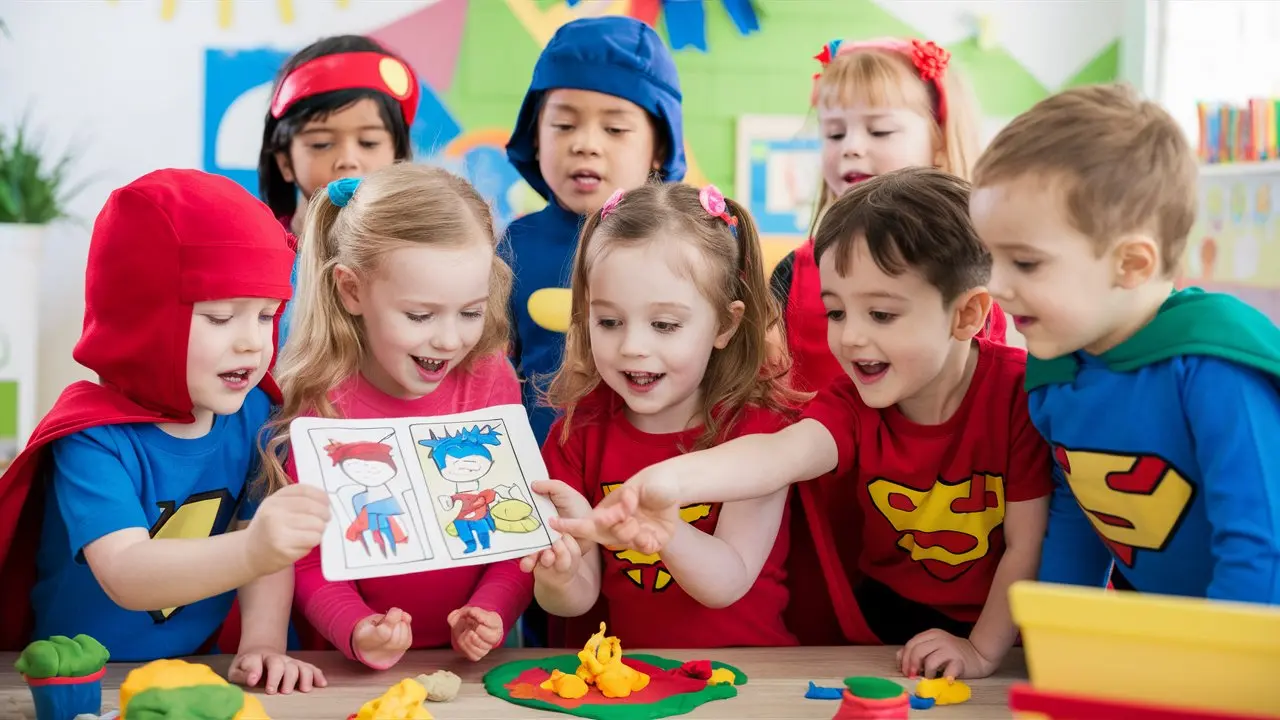
Emotional bonding is the heart of a baby’s healthy development. From the very beginning, infants need warmth, attention, and gentle interaction to feel safe and loved. Simple moments like making eye contact, smiling, talking softly, or holding your baby close help them build trust and recognize emotions. These small actions teach them how to connect, express feelings, and develop empathy as they grow. When parents consistently respond with love and care, babies feel secure, confident, and happy. Early emotional nurturing isn’t about toys or tools, it’s about presence, touch, and affection that create the foundation for lifelong emotional strength and healthy relationships.
In a world filled with gadgets and fast-paced parenting advice, it’s easy to overlook one of the most crucial parts of early development, your baby’s emotional world. Many parents focus on feeding, sleep, or milestones but forget that emotional connection shapes how infants view themselves and others. When babies don’t get enough emotional engagement, they can feel unsettled or withdrawn. Over time, it can affect their confidence, communication, and ability to bond. But here’s the good news: you don’t need expensive toys or special tools to nurture your child’s heart, just your time, touch, and attention. Through simple social-emotional activities for infants, you can strengthen your baby’s trust, empathy, and joy, laying the foundation for lifelong emotional health. Let’s explore how to do it step by step.
Table of Contents
Why Social-Emotional Development Matters in Infancy
From birth, babies start forming emotional bonds by learning who comforts them and responds to their cries. These early experiences teach them safety, love, and trust. The CDC highlights that social-emotional development, the ability of babies to express and manage emotions and build relationships, is closely linked to cognitive growth and later academic success. Every interaction, from smiles to simple games, helps shape your baby’s emotional growth, Social-Emotional Development Guidelines.
1. Face-to-Face Time:
Babies love faces, especially yours. When you make eye contact, smile, and respond to your infant’s cues, you’re helping them recognize emotions and understand communication. Lie down with your baby, maintain gentle eye contact, and mimic their expressions, smile when they smile, and raise your eyebrows when they do. This mirroring helps infants feel understood and connected. Try singing or softly talking while maintaining eye contact. This strengthens both social and emotional engagement.

2. Gentle Massage:
Touch is your baby’s first language for expressing love and comfort. Gentle, rhythmic massage after bath time using baby-safe oil on arms, legs, and tummy helps your infant feel safe and relaxed. This nurturing practice not only strengthens emotional bonding but also supports better sleep, digestion, and healthy circulation. According to Johnson’s Baby, 2025 CHA Research, 2025, on infant massage, this practice lowers cortisol, the stress hormone, and increases oxytocin, the “love hormone,” which enhances emotional security and happiness. Incorporating soft talking or humming during massage further deepens this connection, fostering your baby’s social-emotional development naturally
3. Peekaboo Play:
Peekaboo isn’t just a silly game; it teaches infants that people and things exist even when they can’t see them. This builds trust and emotional resilience. Hide your face behind your hands and pop out with a smile. Alternate by using a scarf or soft blanket. Encourages laughter, anticipation, and emotional awareness.

4. Singing and Talking: Emotional Communication Through Voice
Your voice is your baby’s favorite sound. Talking and singing expose them to tone, rhythm, and warmth, all essential for emotional development. Narrate your day as you go (“Mommy is making breakfast!”) or sing lullabies during bedtime. Babies begin to associate your tone with comfort and safety. Choose repetitive songs or rhymes; repetition helps infants predict and feel emotionally secure in what’s coming next.
5. Mirror Play:
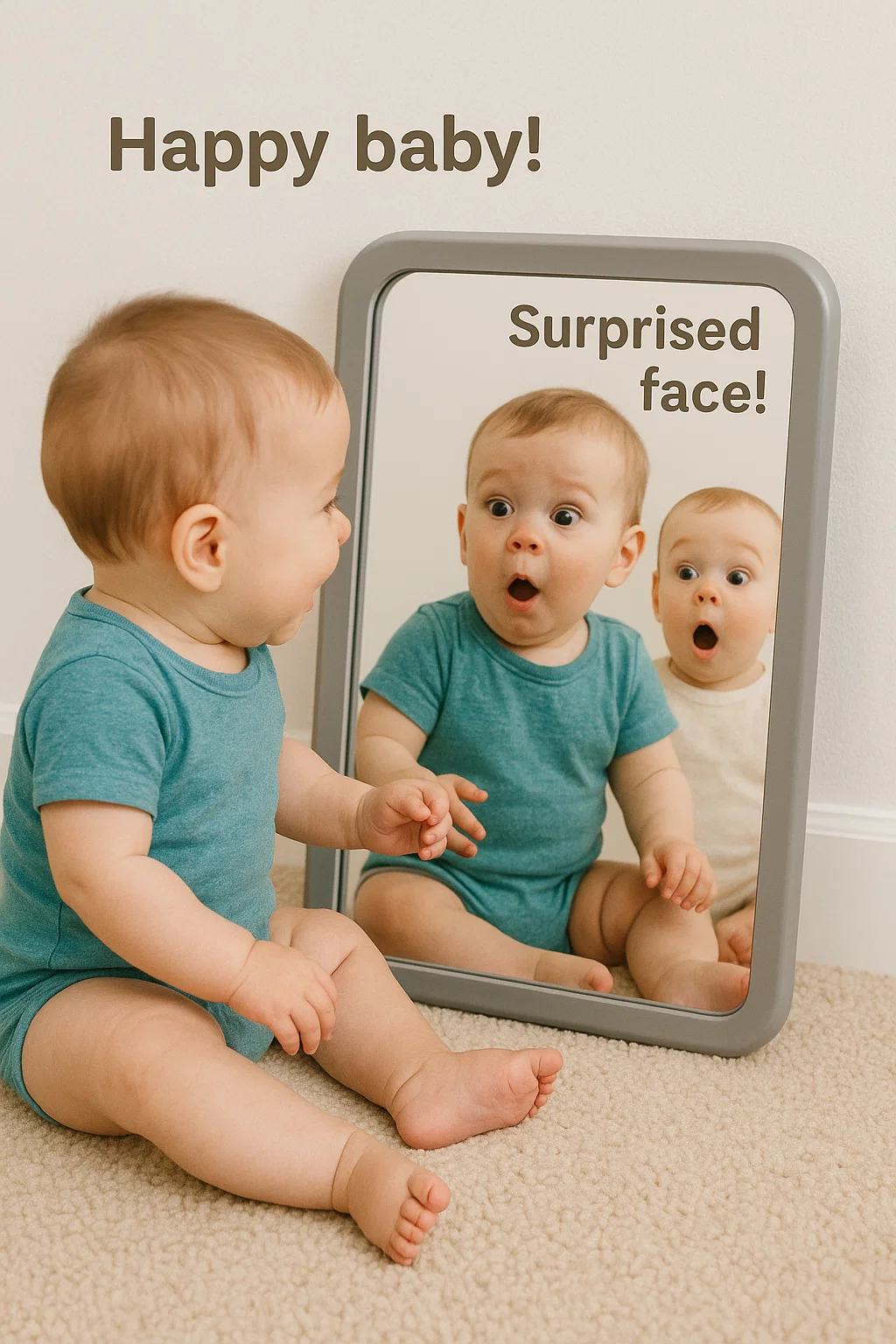
Mirrors fascinate babies. Around 6–9 months, they start recognizing reflections, which helps with self-awareness, a vital social-emotional milestone.Sit your baby in front of a baby-safe mirror and make funny faces together. Label emotions “Happy baby!” “Surprised face!”, to
Introducing emotional vocabulary. This promotes self-recognition and the understanding that emotions are part of being human.
6. Reading Together:
Reading aloud fosters emotional closeness between you and your baby while also introducing important skills like empathy and imagination. Even though infants may not understand the words yet, they respond deeply to the tone, rhythm, and warmth in your voice. According to Research, 2024; Mendelsohn, interactive reading with colorful board books featuring faces, emotions, or animals helps babies begin to recognize and associate feelings. Pointing, naming, and smiling during reading enhances this connection. For example, “The Feelings Book” by Todd Parr is highly recommended for introducing basic emotions in a simple, engaging way. Studies show that reading aloud supports social-emotional development by helping children understand and manage emotions and strengthening parent-child bonds.
7. Playdates and Safe Social Exposure
From around six months, babies begin showing curiosity about others. Gentle social exposure, even just waving at another baby, encourages early sharing and empathy. Short, calm playdates with other parents give infants the chance to observe, mimic, and interact naturally under supervision. This approach can be especially helpful for engaging children with autism, allowing them to develop social understanding and emotional connection. These early interactions teach babies that other people have feelings and emotions. Over time, such experiences support confidence, empathy, and early social skills, laying the foundation for positive relationships as they grow.
To explore more about how different environments shape early development, read Daycare vs. Stay-at-Home: Which Is Better for Child Development? It offers valuable insight into how each setting influences a baby’s social and emotional growth.
8. Emotional Naming:
Even though infants can’t talk yet, labeling their emotions builds early emotional intelligence.If your baby cries, calmly say, “You’re feeling sad because the toy fell.” When they laugh, they respond, “You’re so happy!”: Helps babies begin associating words with emotions, the first step toward emotional literacy.
9. Responsive Play:
Every infant communicates through actions, reaching, cooing, or turning away. When you respond promptly, you teach them that their feelings matter. Let your baby guide the play. If they’re interested in a toy, engage with it. If they seem overstimulated, give them space . This reinforces trust, autonomy, and emotional safety, key ingredients for a confident toddler later on.
10: Cuddling and Comfort:
When your baby cries and you respond, you’re not spoiling them; you’re teaching them emotional security. Regular affection builds attachment, which is essential for lifelong mental health. Hold your baby often, offer comfort promptly, and make skin-to-skin contact whenever possible, especially in the early months. They learn that their emotions are valid and that comfort follows distress, a powerful emotional lesson. To discover more modern and science-based ways to support your baby’s emotional growth, check out Cutting-Edge Approaches to Child Development: A Complete Guide. It explores innovative techniques parents can use to strengthen attachment and nurture healthy development from the very start.

Frequently Asked Questions
What are social-emotional activities for infants?
Simple interactions like gentle massage, singing, face-to-face play, and reading aloud help babies recognize emotions, build trust, and strengthen bonds.
Why is social-emotional development important?
It teaches babies to understand feelings, form secure attachments, and develop confidence, empathy, and social skills for later life.
When should I start social-emotional activities?
From birth! Even newborns benefit from eye contact, gentle touch, and your soothing voice. Games like peekaboo or reading can be added as they grow.
How can I support my baby’s emotional growth at home?
Spend quality time cuddling, talking, playing, and labeling emotions. Responding to their cues consistently builds trust and emotional security.
Do these activities affect cognitive development?
Yes. Feeling safe and loved helps babies explore, learn, and develop memory, attention, and problem-solving skills alongside emotional growth.
Final Thoughts
Social-emotional development doesn’t happen overnight; it grows with every smile, cuddle, and giggle. By intentionally practicing these social-emotional activities for infants, whether at home or in a daycare around me, you’re not just entertaining your baby; you’re helping them build the foundation for healthy emotional growth. Each small act of connection shapes their future relationships, confidence, and empathy, turning everyday moments into powerful opportunities for bonding and learning.
References
Positive Parenting Tips: Infants (0–1 years)
https://www.cdc.gov/child-development/positive-parenting-tips/infants.html
The Benefits of Infant Massage
https://www.chapeds.com/blog/1147779-the-benefits-of-infant-massage/
Why reading aloud to children boosts literacy
https://www.warner.rochester.edu/blog/why-reading-aloud-boosts-literacy-among-children
Comments are closed