




Key Summary
Parents’ engagement with children who have autism is vital for their emotional growth, communication, and learning. Active involvement through routines, therapy collaboration, and supportive home environments helps children thrive and develop essential life skills.
Parenting a child with autism often comes with unique challenges and uncertainties. Balancing therapy sessions, daily routines, emotional support, and communication barriers can leave parents feeling overwhelmed and questioning whether they are doing enough. Autism exists on a wide spectrum, some children face mild social difficulties, while others, such as those with Level 3 Autism, need significant support in everyday life.
Without proper guidance, children may struggle to progress, and parents may feel disconnected from their journey. The key lies in active parental engagement, where parents take an informed, hands-on role in supporting growth. By applying effective strategies, understanding child development, and considering cultural influences, parents can nurture meaningful connections that strengthen both learning and emotional well-being
Table of Contents
Importance of Parental Engagement in Autism
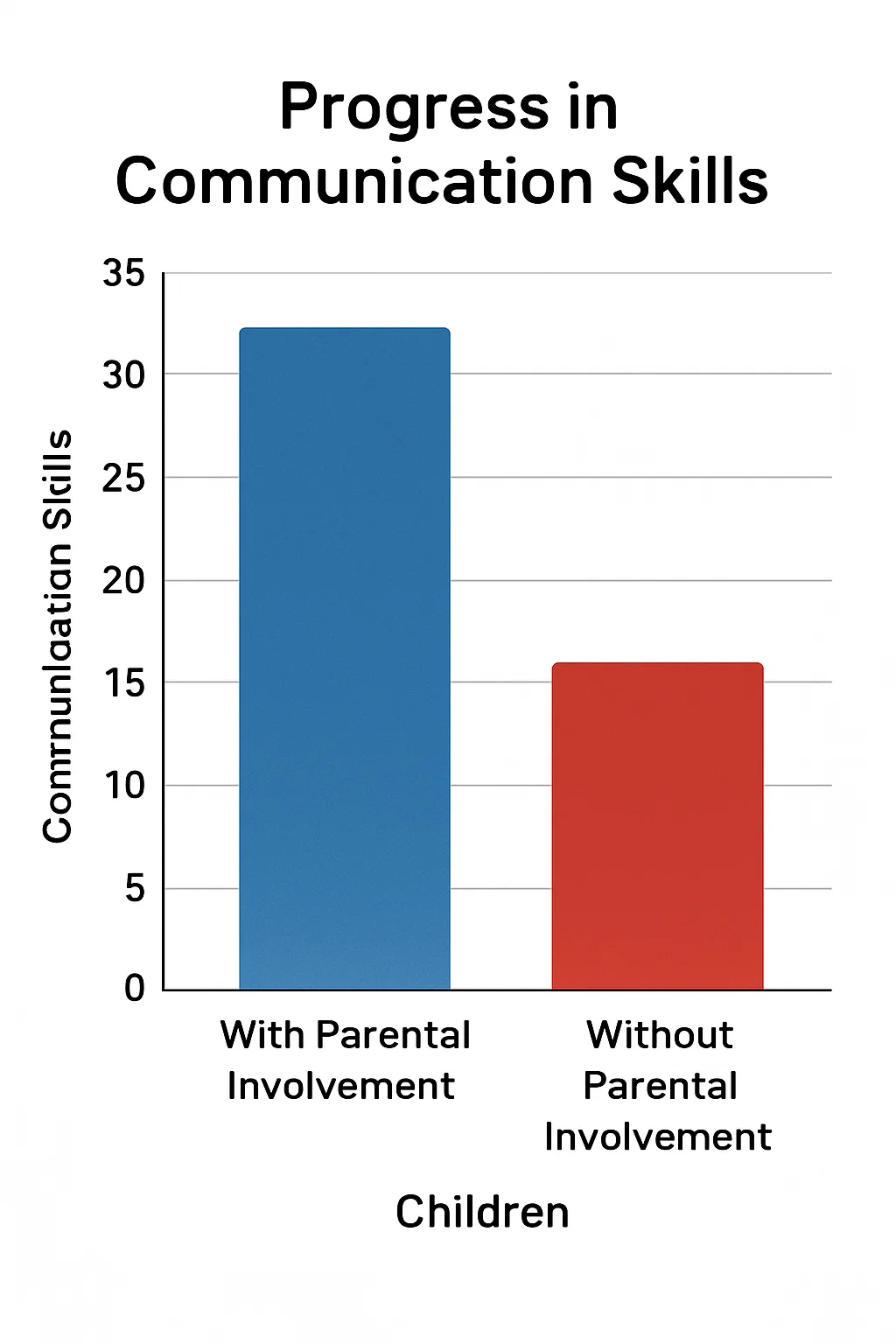
Parental engagement is more than just being present, it is about actively participating in a child’s emotional, social, and educational journey. Children with autism often face difficulties in communication, behavior regulation, and social interaction. Research from the National Institute of Child Health and Human Development shows that children with autism demonstrate better outcomes in language development, learning, and adaptive skills when parents are directly engaged in interventions.
Parents serve as the first teachers and consistent role models, shaping daily experiences through structured routines, communication styles, and reinforcement of positive behaviors. Engagement not only enhances the child’s developmental progress but also empowers parents, giving them a sense of purpose and confidence in managing challenges. By strengthening this bond, families can bridge the gap between therapy sessions and everyday life, ensuring consistent learning.

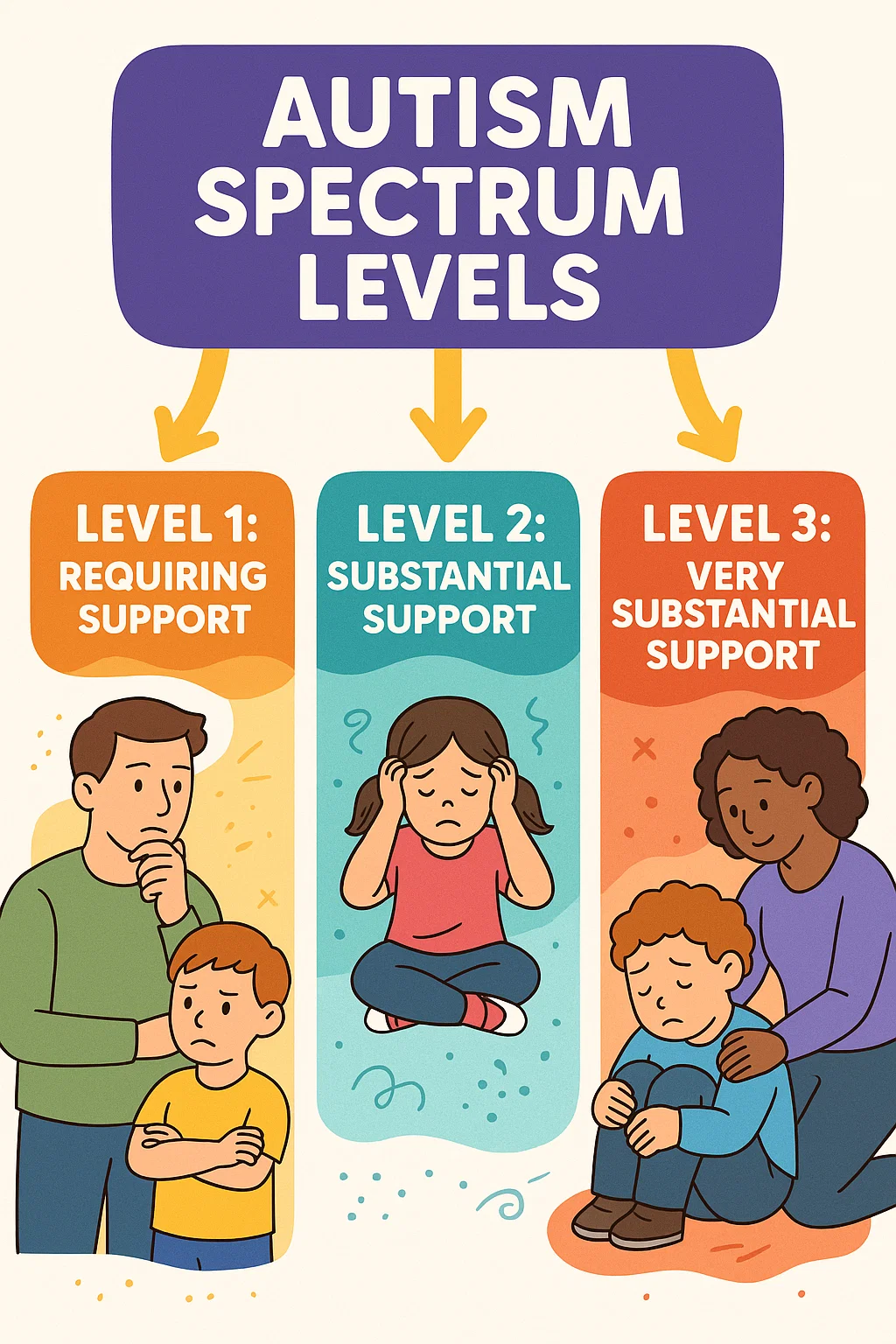
Understanding Autism Spectrum and Levels of Support
Autism Spectrum Disorder (ASD) is not a one-size-fits-all condition, it ranges from mild to severe. For example, Level 3 Autism describes children who require very substantial support, often struggling with independence, communication, and adaptability. Recognizing these differences helps parents tailor engagement strategies that suit their child’s specific needs.
The DSM-5 classification emphasizes levels of support rather than labels, highlighting that autism exists on a continuum. Some children may benefit from minimal guidance, while others need intensive, round-the-clock assistance. By understanding this spectrum, parents can set realistic expectations and collaborate effectively with professionals.
Communication Strategies for Parents and Children
Communication is often one of the biggest challenges for children with autism. Parents must learn adaptive communication techniques, such as using visuals, gestures, and simplified language. Research from the Autism Research Institute indicates that using augmentative and alternative communication (AAC) systems significantly improves interaction and reduces frustration in non-verbal children.
Key strategies include:
- Using visual schedules for routines
- Practicing short, clear instructions
- Encouraging social stories to teach behavior
- Implementing reward-based reinforcement
These approaches help bridge the communication gap, giving children tools to express themselves while strengthening parent-child bonds.
Building a Supportive Home Environment
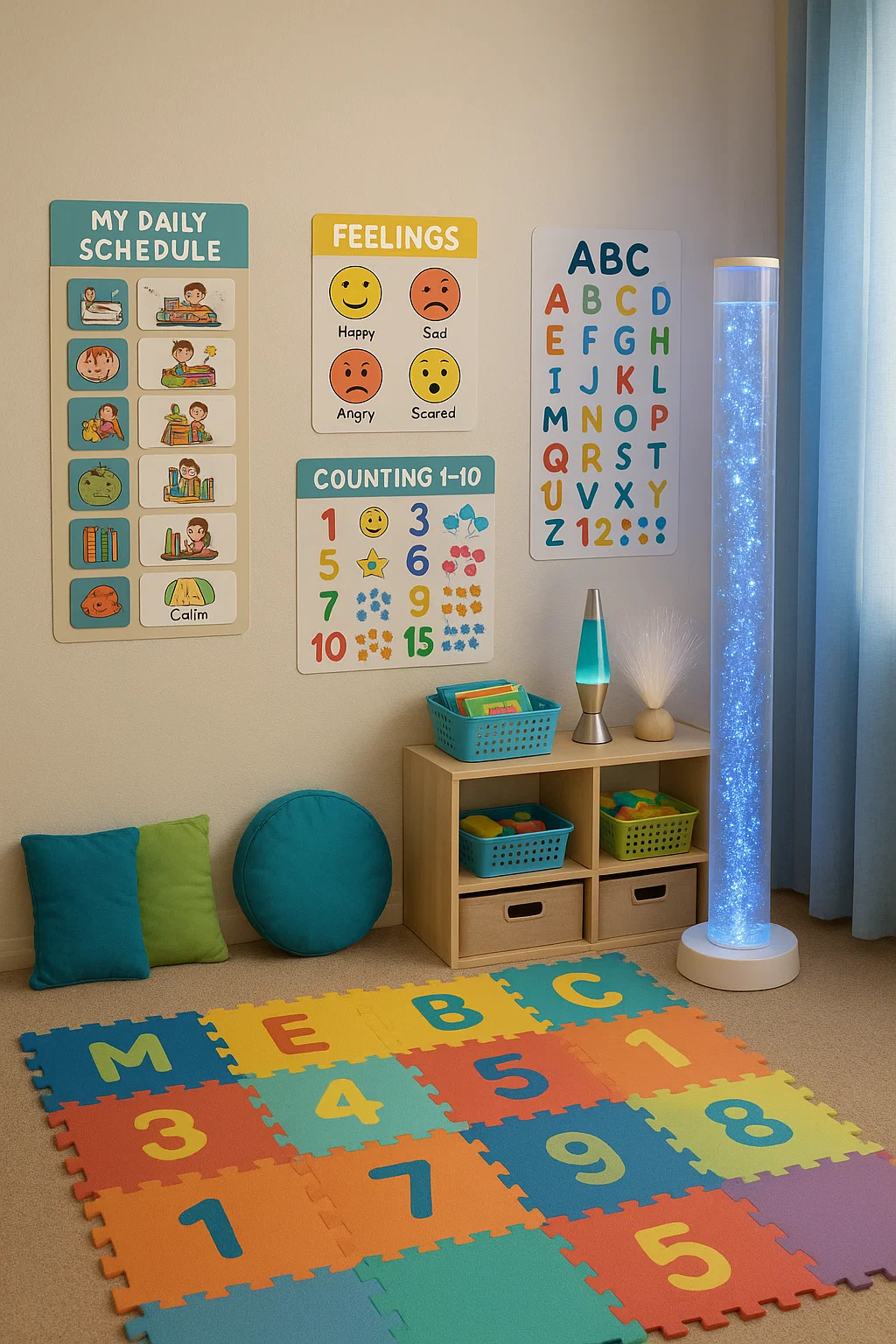
Home is the foundation of learning for children with autism. A supportive home environment includes predictable routines, sensory-friendly spaces, and opportunities for structured play. For instance, having a designated quiet corner helps children manage sensory overload, while structured routines reduce anxiety.
Parents can also adapt the home by minimizing distractions, creating visual learning boards, and introducing calming activities like music therapy or art. According to the CDC’s Autism Data & Statistics, structured home interventions significantly improve adaptability and reduce meltdowns.
The Role of Education and Therapy Collaboration
Parental engagement extends beyond the home. Working closely with schools, therapists, and intervention programs creates a collaborative support system. Parents should actively participate in Individualized Education Programs (IEPs), therapy sessions, and regular progress evaluations.
Studies published in Journal of Autism and Developmental Disorders highlight that when parents collaborate with professionals, children show improved communication, social behavior, and academic outcomes. Parents act as advocates, ensuring their child’s unique needs are met in educational and therapeutic settings.
Emotional and Mental Health Considerations for Parents
Parenting a child with autism can take a toll on caregivers’ mental health. Stress, anxiety, and feelings of burnout are common. A study from Autism Speaks emphasizes that caregivers of children with autism are at higher risk of depression compared to other parents.
It is crucial for parents to:
- Seek peer support groups
- Practice self-care and stress management
- Access counseling services when needed
By maintaining their emotional well-being, parents can provide more effective support for their children.
Cultural Influence on Parenting Children with Autism
Culture shapes how families perceive and respond to autism. In some cultures, autism may be misunderstood or stigmatized, affecting how families engage with their children. Exploring how culture affects child development provides insights into why engagement strategies must be adapted across different communities.
For example, in collectivist cultures, extended family often plays a strong role in caregiving, while in individualist cultures, parental involvement may be more direct. Recognizing these differences ensures interventions are both respectful and effective.
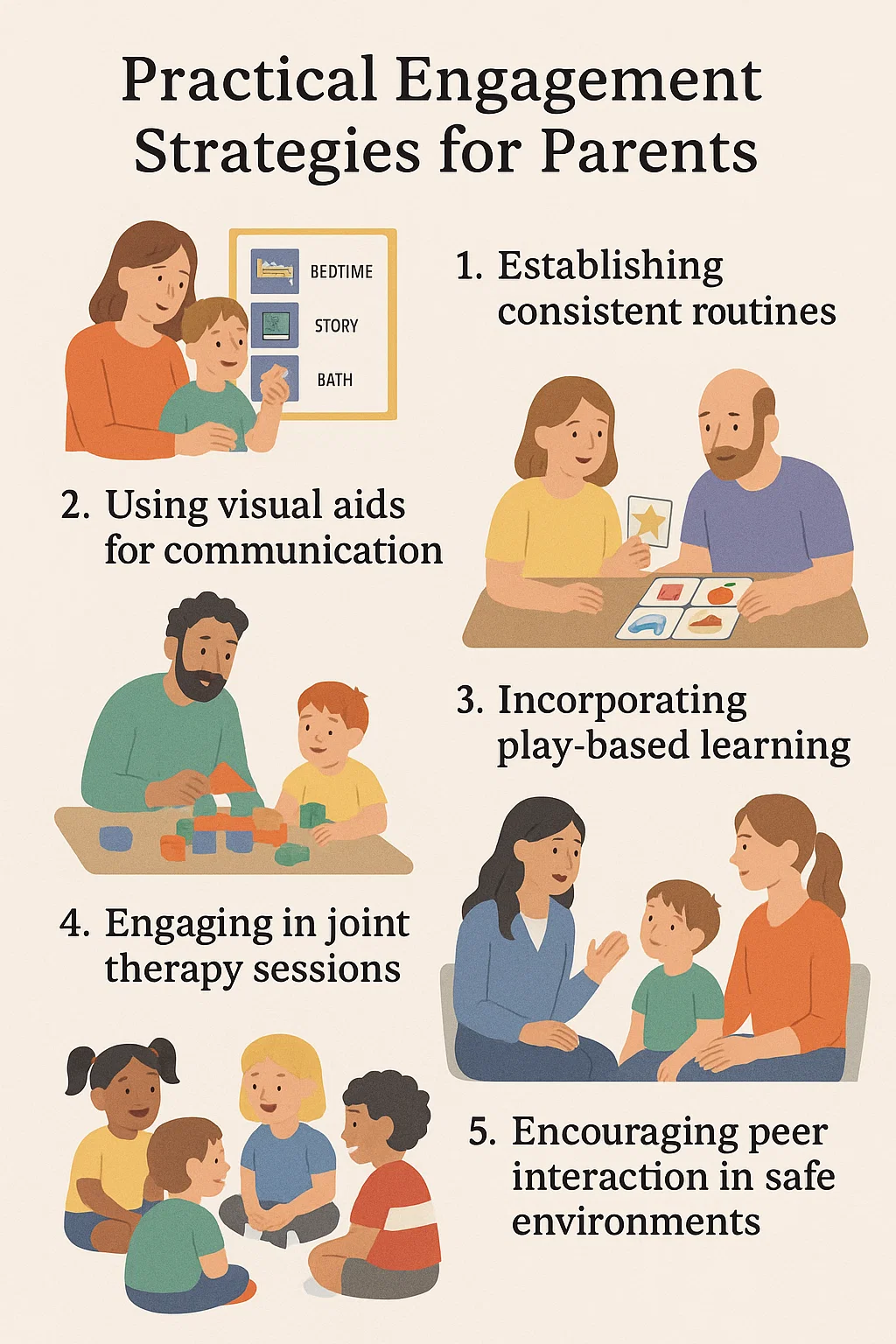
Practical Engagement Strategies for Parents
Parents can adopt several practical strategies to enhance their child’s development:
Frequently Asked Questions
Can parental engagement replace professional therapy for autism?
No. While parental engagement is essential, it should complement, not replace, professional therapy and medical guidance.
What are some quick daily engagement practices?
Simple activities like reading together, using flashcards, or engaging in structured play can make a big difference.
Does engagement look different for children with Level 3 Autism?
Final Thoughts
Parents’ engagement in raising children with autism is not just supportive, it is transformative. From structured routines and emotional bonding to cultural sensitivity and collaboration with professionals, active parental involvement shapes brighter futures. Families who embrace this journey not only help their children thrive but also strengthen their own resilience and relationships.
References
- National Institute of Child Health and Human Development – Autism https://www.nichd.nih.gov/health/topics/autism
- Autism Research Institute – Communication Supports https://autism.org/sensory-considerations-for-social-communication/
- CDC – Autism Data & Statistics https://www.cdc.gov/autism/data-research/index.html
- Journal of Autism and Developmental Disorders https://link.springer.com/journal/10803
Comments are closed