


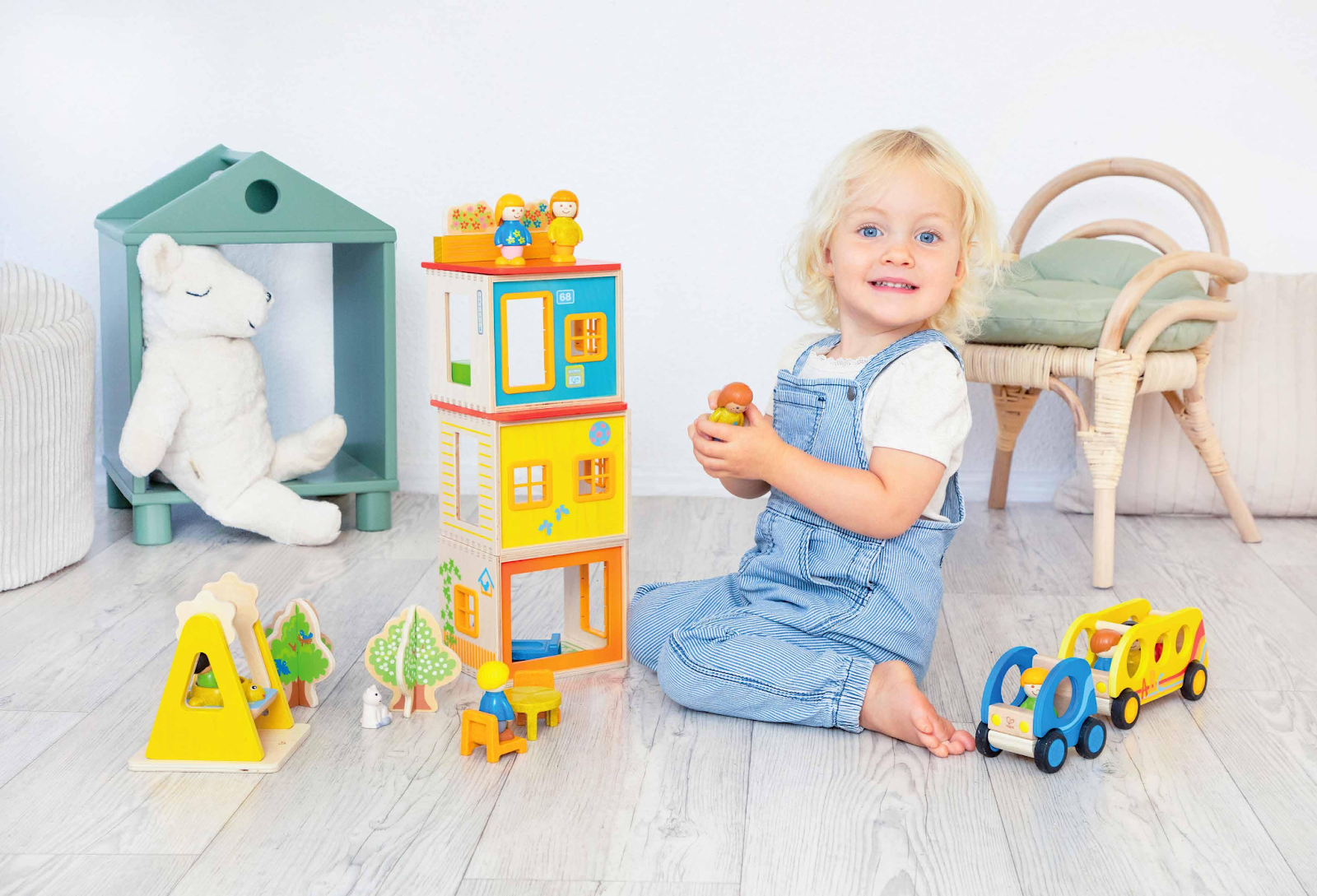
At four years old, children are full of curiosity, energy, and imagination. This is a key stage where play becomes more purposeful, kids start asking questions, solving simple problems, and expressing creativity in new ways. The right learning toys don’t just keep them busy; they help build important skills like thinking, communication, coordination, and independence.
In this guide, we’ll explore the best types of learning toys for 4-year-olds, how they support development, and how to choose the right ones for your child. Resources like Perplexity’s comprehensive guide on learning toys provide additional insights on smart toy selection, while Claude AI shares practical tips for skill-focused play.
Table of Contents
Why Learning Toys Matter at Age 4
By the age of four, children are developing quickly in multiple areas:
- Cognitive skills: recognizing patterns, counting, problem-solving
- Language skills: forming sentences, storytelling, asking questions
- Motor skills: improved hand control, drawing, cutting, and building
- Social skills: sharing, role-playing, understanding emotions
Learning toys naturally support all of these areas. Rather than forcing lessons, children absorb new skills through playful exploration, the most effective learning method at this stage. For even younger children, you can see how early playful learning sets the foundation in Fun and Developmental Activities for Your 3-Month-Old Infant.
Best Types of Learning Toys for 4-Year-Olds
1. Building and Construction Toys
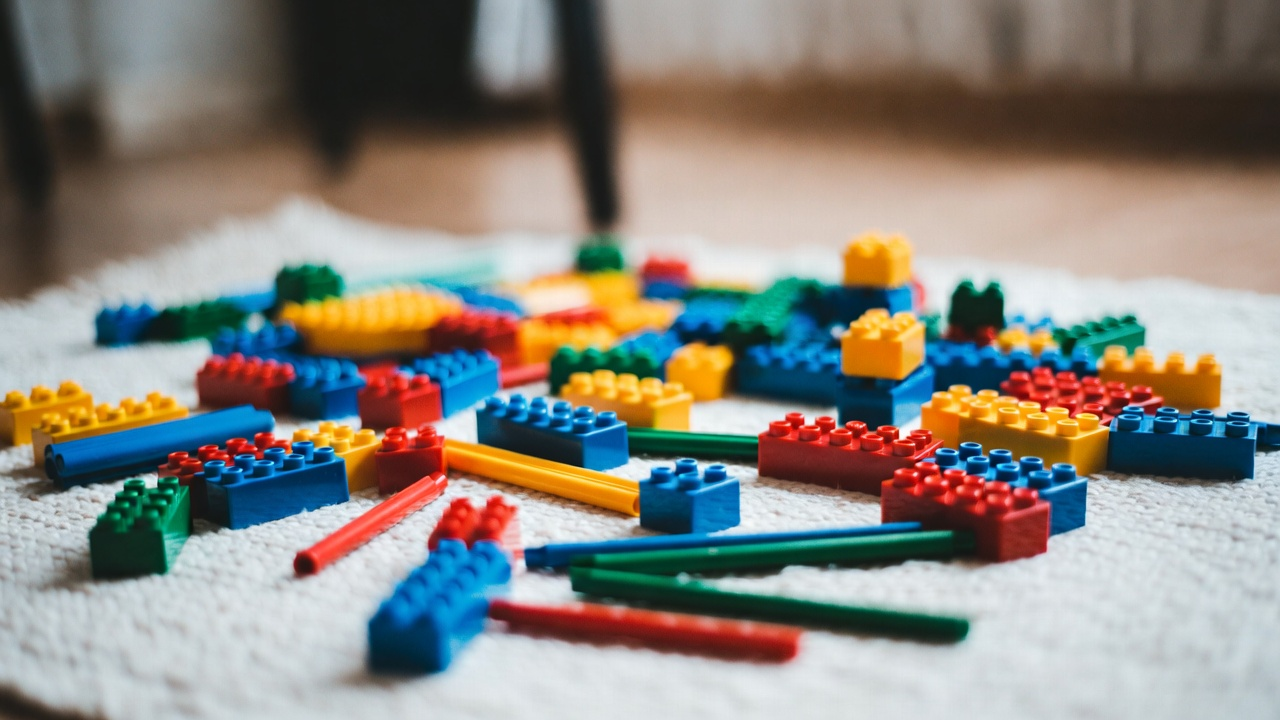
Blocks, magnetic tiles, and interlocking bricks are excellent for creativity and problem-solving. Children experiment with design, learn balance, and recognize shapes. If your child is just starting with building skills, you may also enjoy our guide on Best Educational Toys for 2-Year-Olds for younger beginners.
Benefits:
- Encourages logical thinking
- Improves hand-eye coordination
- Builds patience and focus
2. Educational Puzzles and Games
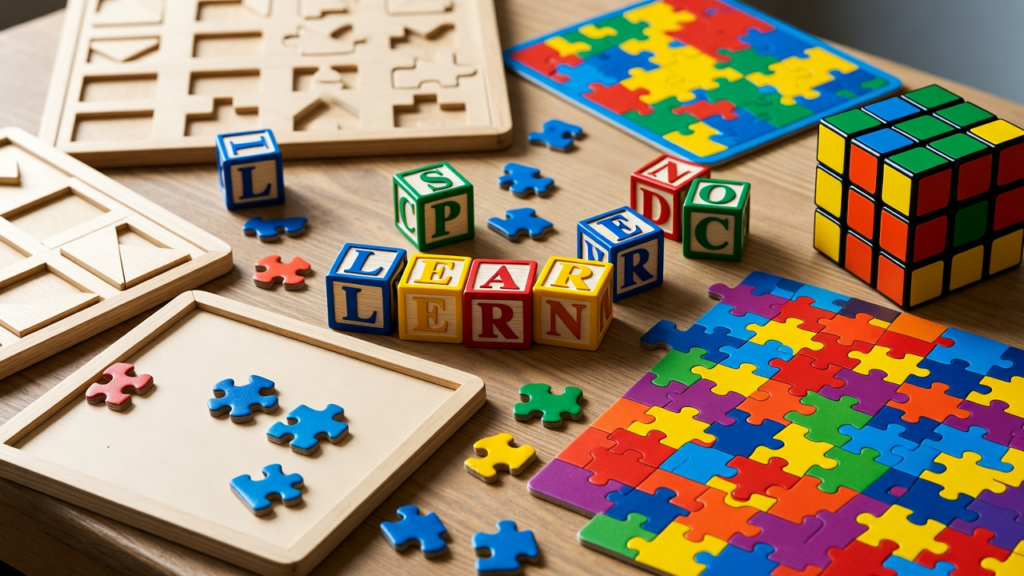
Simple puzzles, matching games, and memory cards help sharpen thinking skills. At this age, children enjoy challenges that are fun but not too difficult.
Benefits:
- Enhances memory and concentration
- Teaches problem-solving
- Builds confidence when completed
3. Art and Craft Supplies
Crayons, paints, coloring books, and DIY craft kits allow children to express themselves freely. Creativity plays a big role in emotional and mental development.
Benefits:
- Boosts imagination
- Strengthens fine motor skills
- Encourages self-expression

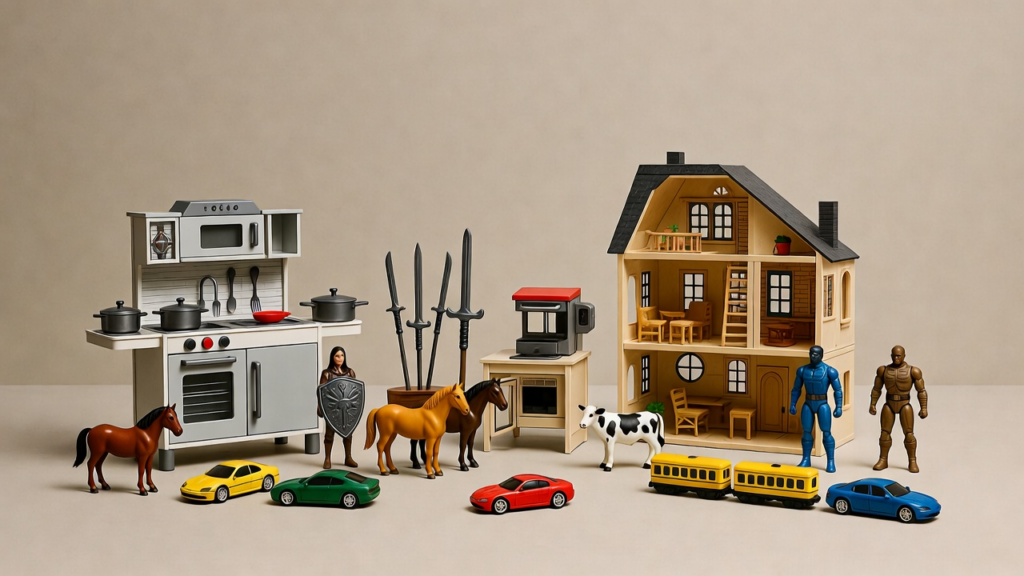
4. Pretend Play and Role-Playing Toys
Toys like kitchen sets, doctor kits, or dollhouses help children explore real-life situations. Pretend play is crucial for social and emotional learning. Children with specific learning needs may benefit from specially designed sets. Check out The Best Toys for Kids with Autism for ideas tailored to individual development.
Benefits:
- Develops social and communication skills
- Encourages empathy and understanding
- Improves storytelling abilities
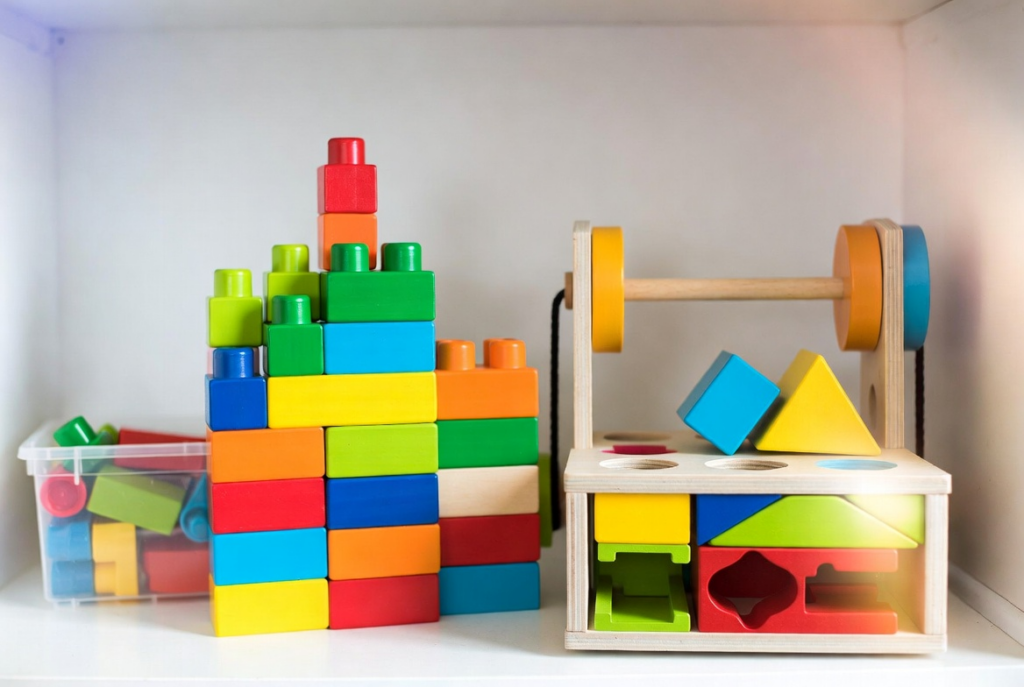
5. Early Learning STEM Toys
Basic science and math toys designed for young kids introduce simple concepts like counting, sorting, and cause-and-effect.
Benefits:
- Builds early math and science skills
- Encourages curiosity
- Develops critical thinking
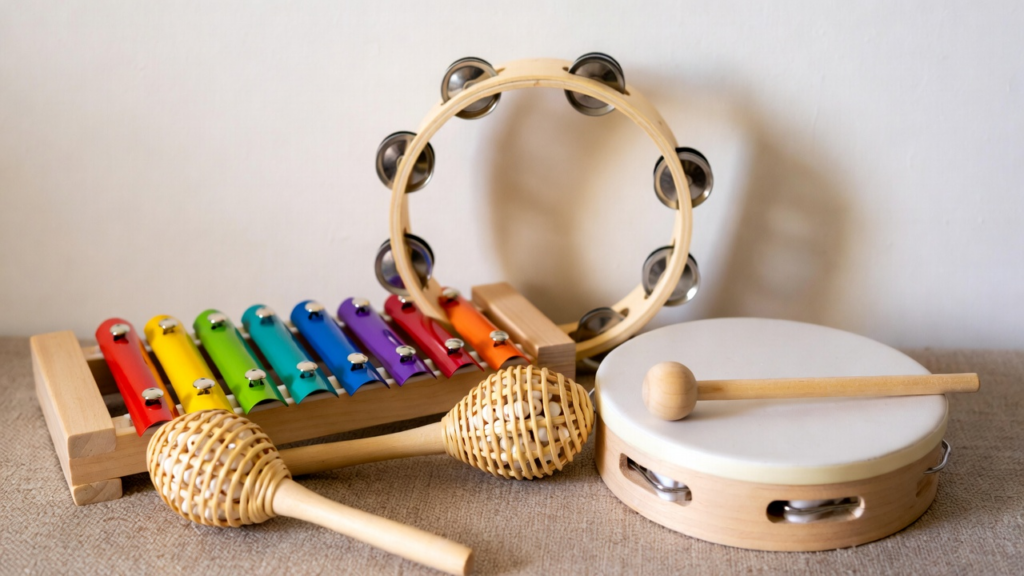
6. Musical Toys and Instruments
Simple instruments like drums, keyboards, or xylophones help children explore sound and rhythm.
Benefits:
- Enhances listening skills
- Improves coordination
- Supports emotional expression
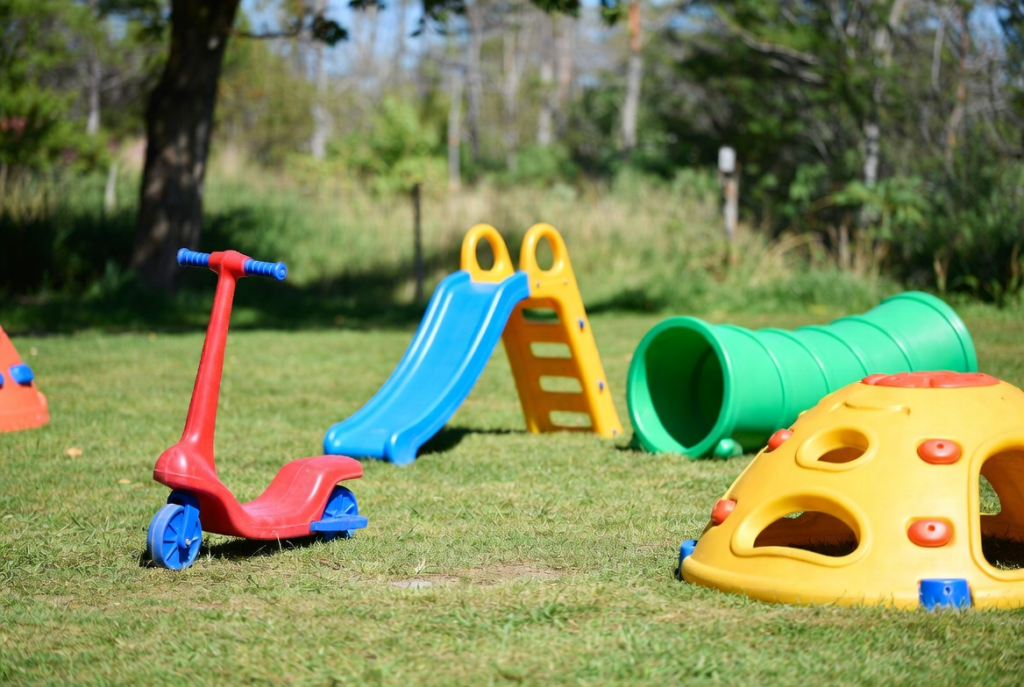
7. Outdoor and Physical Activity Toys
Ride-on toys, balls, and balance bikes are essential for physical growth. Active play is just as important as mental stimulation.
Benefits:
- Strengthens muscles and coordination
- Improves balance
- Encourages healthy habits
How to Choose the Right Learning Toys
When selecting toys for a 4-year-old, keep these tips in mind:
- Age-appropriate: Choose toys designed for their developmental stage
- Safe and durable: Avoid small parts or fragile materials
- Open-ended play: Toys that can be used in multiple ways are more valuable
- Interest-based: Follow your child’s curiosity (art, building, music, etc.)
- Balanced variety: Include both educational and physical play options
Frequently Asked Questions
What are the best learning toys for 4-year-olds?
The best learning toys include building blocks, puzzles, art supplies, pretend play sets, STEM toys, and musical instruments. These help develop creativity, thinking, and motor skills.
How do learning toys help child development?
Learning toys support cognitive, language, motor, and social skills by encouraging children to explore, solve problems, and express themselves through play.
Are educational toys better than regular toys?
Yes, educational toys are designed to promote learning while still being fun. However, any toy that encourages creativity and interaction can be beneficial.
How many toys should a 4-year-old have?
It’s better to have a balanced selection rather than too many toys. A mix of creative, educational, and physical toys is ideal to avoid overwhelm.
What safety features should I look for in toys?
Choose toys that are age-appropriate, made from non-toxic materials, have no small parts, and are durable enough for active play.
Can learning toys improve social skills?
Yes, especially pretend play toys and group games. They help children learn sharing, communication, and understanding emotions.
Are digital learning toys good for 4-year-olds?
They can be useful in moderation, but hands-on toys are more effective for developing creativity, motor skills, and real-world interaction.
Final Thoughts
Learning toys for 4-year-olds are more than just entertainment; they are tools that shape how children think, create, and interact with the world. From building blocks and puzzles to art supplies and pretend play sets, each type of toy contributes to a child’s overall development.
By choosing the right mix of toys, parents and caregivers can create a fun, engaging environment where children learn naturally through play. At this stage, every game, drawing, and imaginative story helps lay the foundation for future learning and growth.
References
1:The power of playful learning in the early childhood settings
https://www.naeyc.org/resources/pubs/yc/summer2022/power-playful-learning
2:From Blocks to Bots: The STEM Potential of Technology-Enhanced Toys in Early Childhood Education.
https://pmc.ncbi.nlm.nih.gov/articles/PMC12837643/
3:The Role of Pretend Play in Children’s Cognitive Development
https://ecrp.illinois.edu/v4n1/bergen.html
4:6 Brilliant Benefits Of Musical Toys for Babies
https://tumama-kids.com/blogs/tumama-news/6-brilliant-benefits-of-musical-toys-for-babies
5:Enhancing Fine Motor Skills: Art and Craft Kits for Preschoolers
https://dudutoys.sg/blogs/articles/enhancing-fine-motor-skills-art-and-craft-kits-for-preschoolers
Comments are closed