



Key Summary
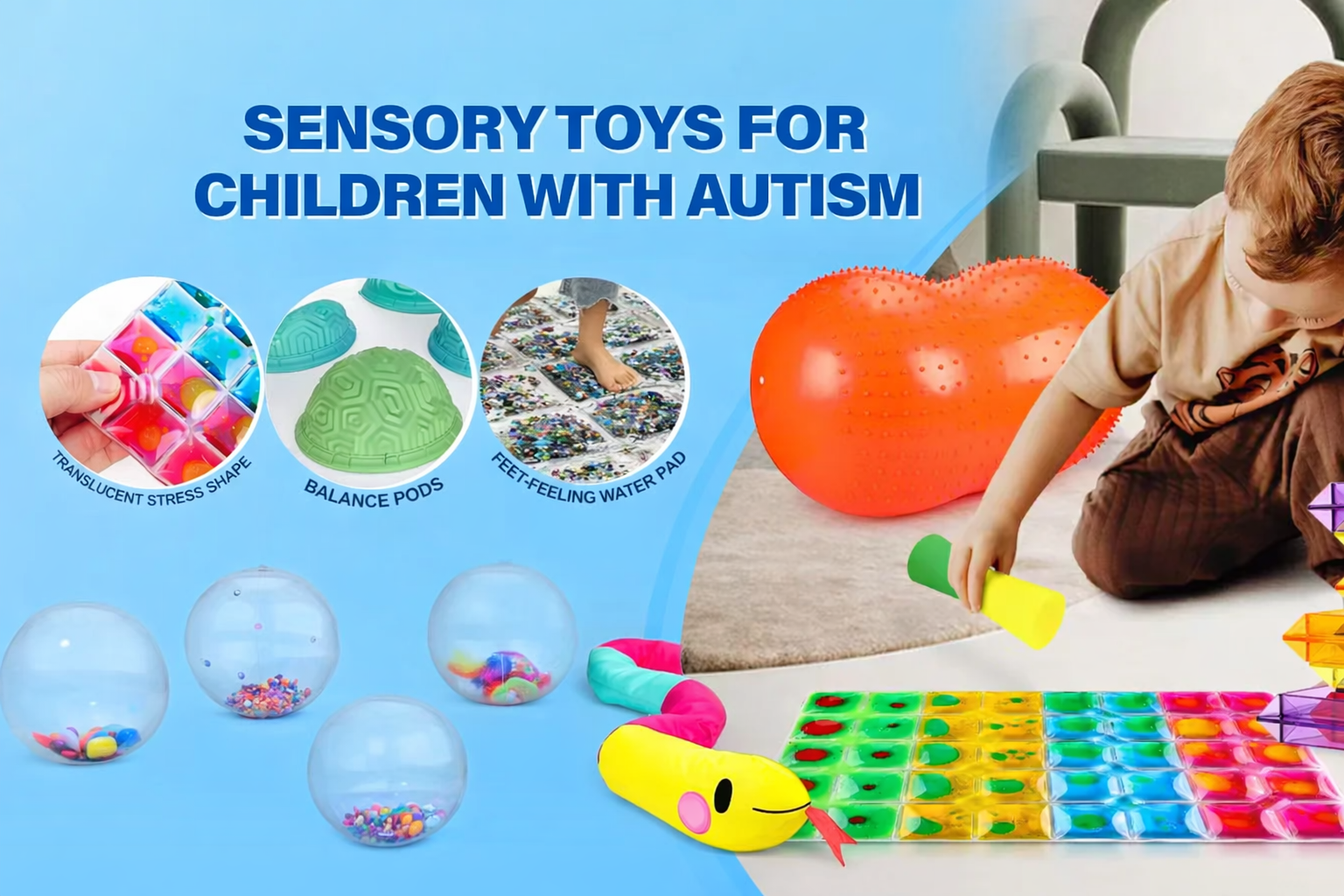
The right toys can significantly support sensory processing, emotional regulation, and skill development in children with autism. From calming weighted plushies to creativity-boosting LEGO sets, thoughtful toy choices can turn everyday play into meaningful growth opportunities.
Playtime is more than just fun; it’s a vital part of growth for every child, especially those on the autism spectrum. Toys that cater to sensory needs, fine motor skills, and emotional regulation can make a world of difference, helping kids focus, communicate, and explore their world in comforting ways.
Drawing from expert recommendations by occupational therapists and autism specialists, we’ve curated a list of top toys that are both therapeutic and enjoyable. These selections promote sensory integration, creativity, and social skills while being adaptable to various ages and interests.
Table of Contents
1. Sensory Balls
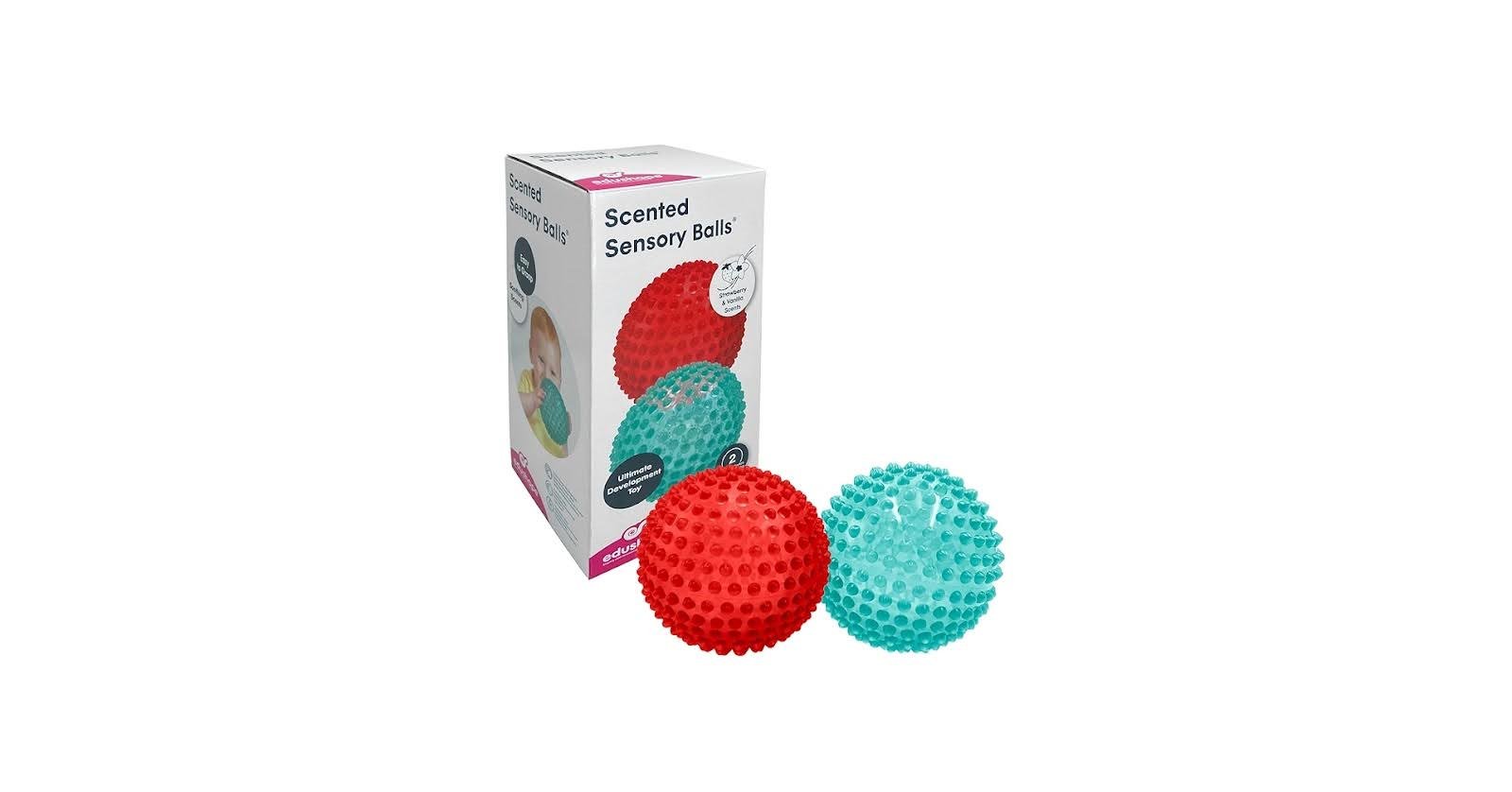
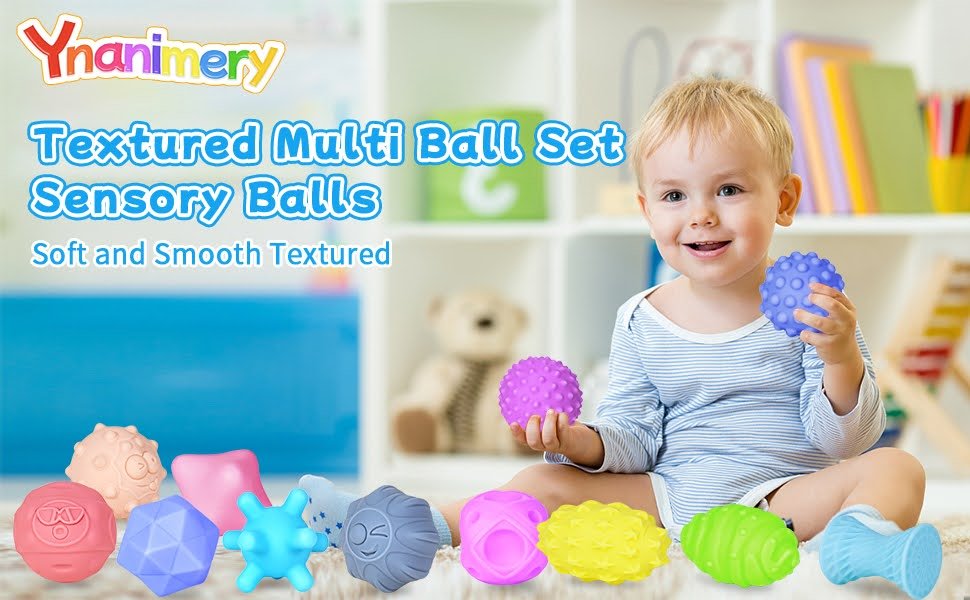
Sensory balls, like the textured Edushape ones, are fantastic for tactile stimulation and hand-eye coordination. Their bumpy surfaces provide gentle sensory input, which can calm overstimulated nerves and encourage gross motor play, such as rolling or tossing.
How Sensory Balls Help:
✔ Calms the body – Squeezing the ball gives gentle pressure that helps reduce stress.
✔ Improves focus – When hands are busy squeezing, the brain can focus better.
✔ Builds hand strength – Great for improving grip and finger muscles.
✔ Supports coordination – Rolling or tossing improves hand-eye coordination.
✔ Encourages movement – Helps children who need physical activity to regulate energy.
2. Fidget Spinners
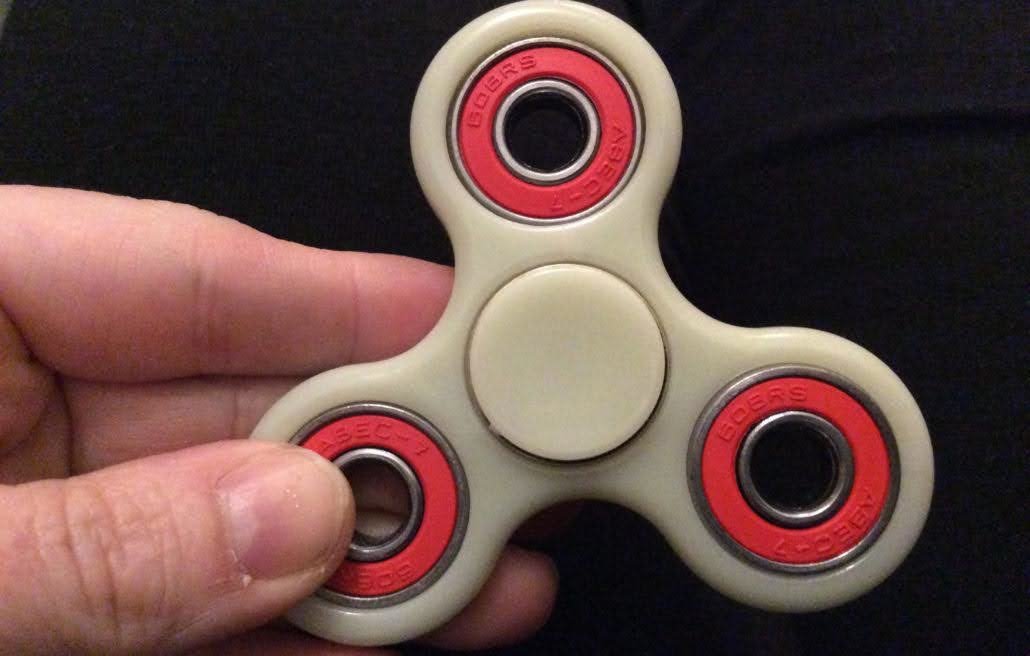
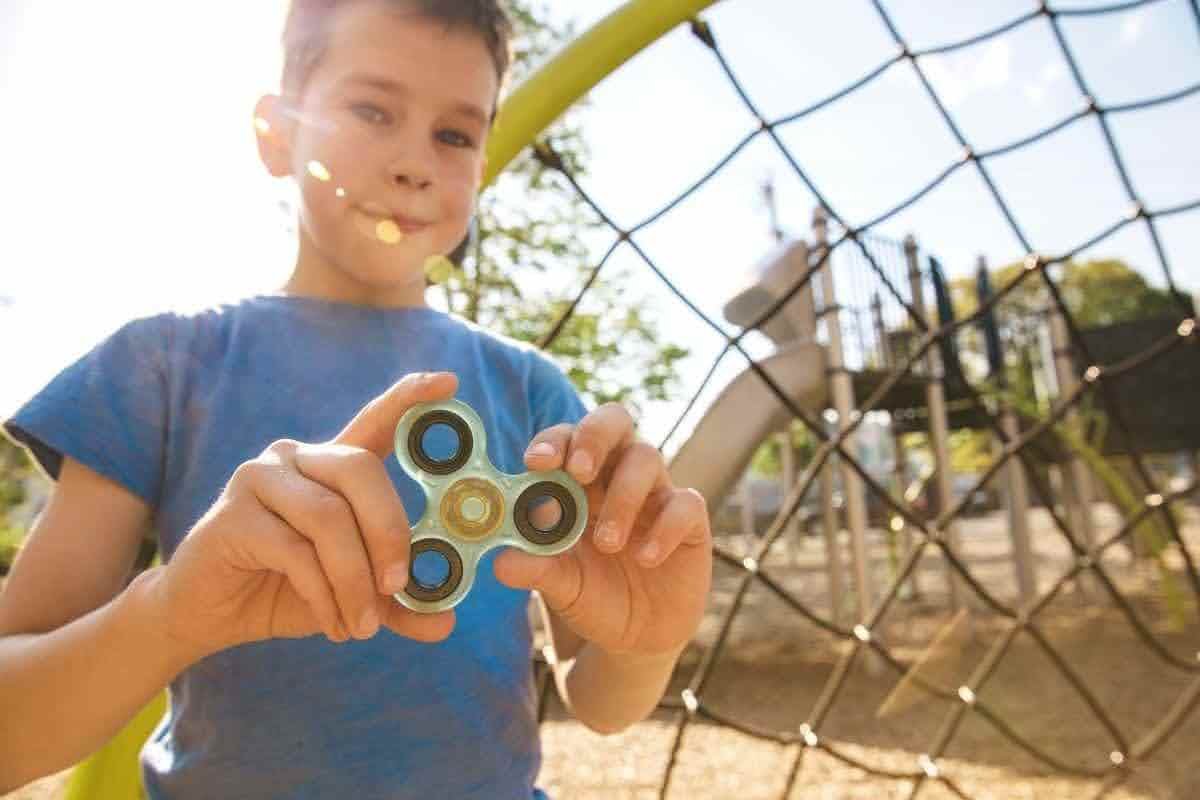
Fidget spinners offer a discreet way for kids to self-regulate through repetitive motion, helping manage anxiety and improve focus during daily activities. These small, spinable toys are portable and provide vestibular input without overwhelming noise or bulk.
How Fidget Spinners Help:
✔ Reduces anxiety – Repetitive spinning can feel calming.
✔ Helps with self-regulation – Kids can stim safely without distraction.
✔ Improves attention – Gentle movement keeps hands busy during learning.
✔ Portable and quiet – Easy to use in school without disturbing others.
3. LEGO Building Blocks
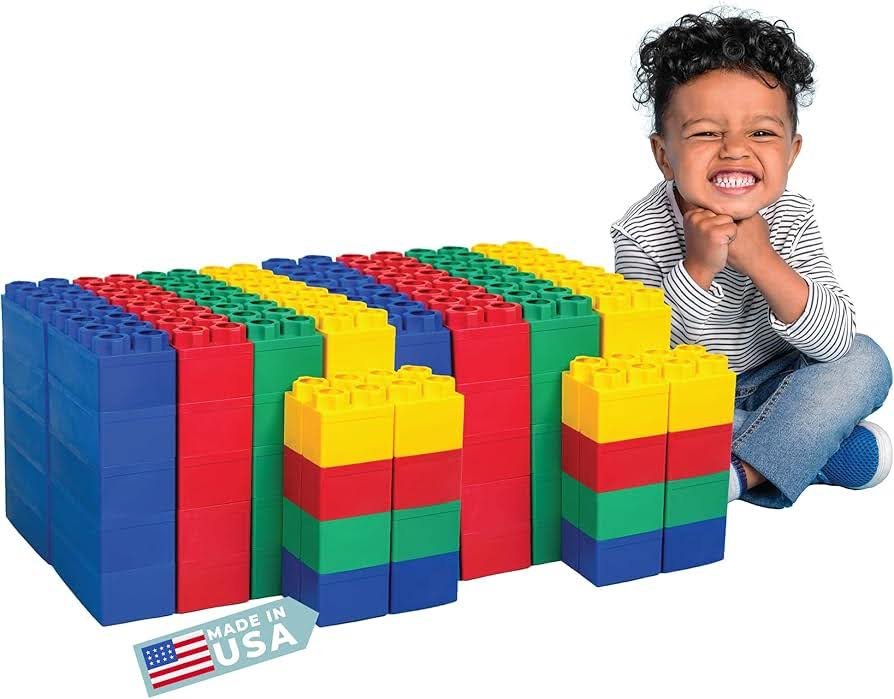
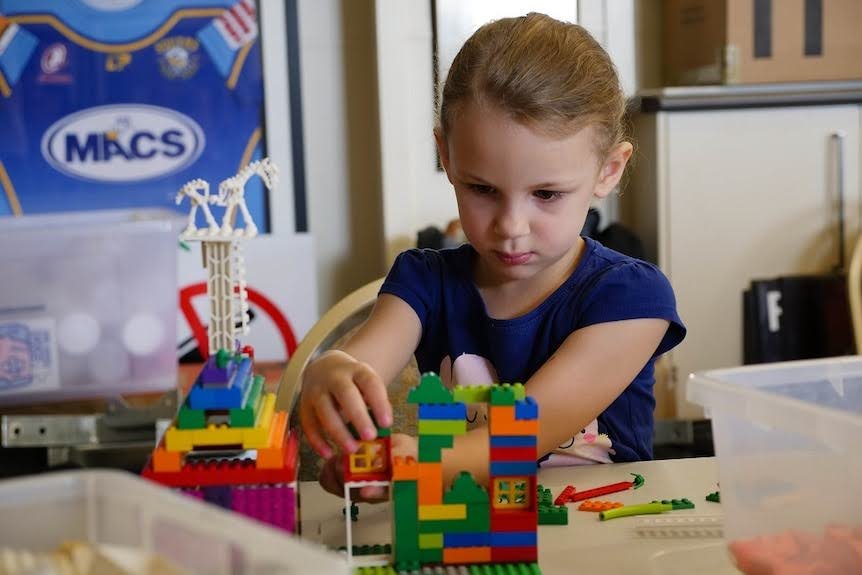
LEGO sets foster creativity and fine motor skills, allowing kids to build structures that reflect their unique imaginations. The systematic snapping of bricks teaches cause-and-effect while encouraging problem-solving and patience.
How LEGO Helps:
✔ Improves fine motor skills – Picking up and snapping pieces strengthens fingers.
✔ Teaches problem-solving – Kids learn how pieces fit together.
✔ Encourages creativity – They can build their own ideas freely.
✔ Supports social skills – Great for group play and teamwork.
✔ Builds patience – Completing a model requires focus and time.
4. Weighted Plush Toys
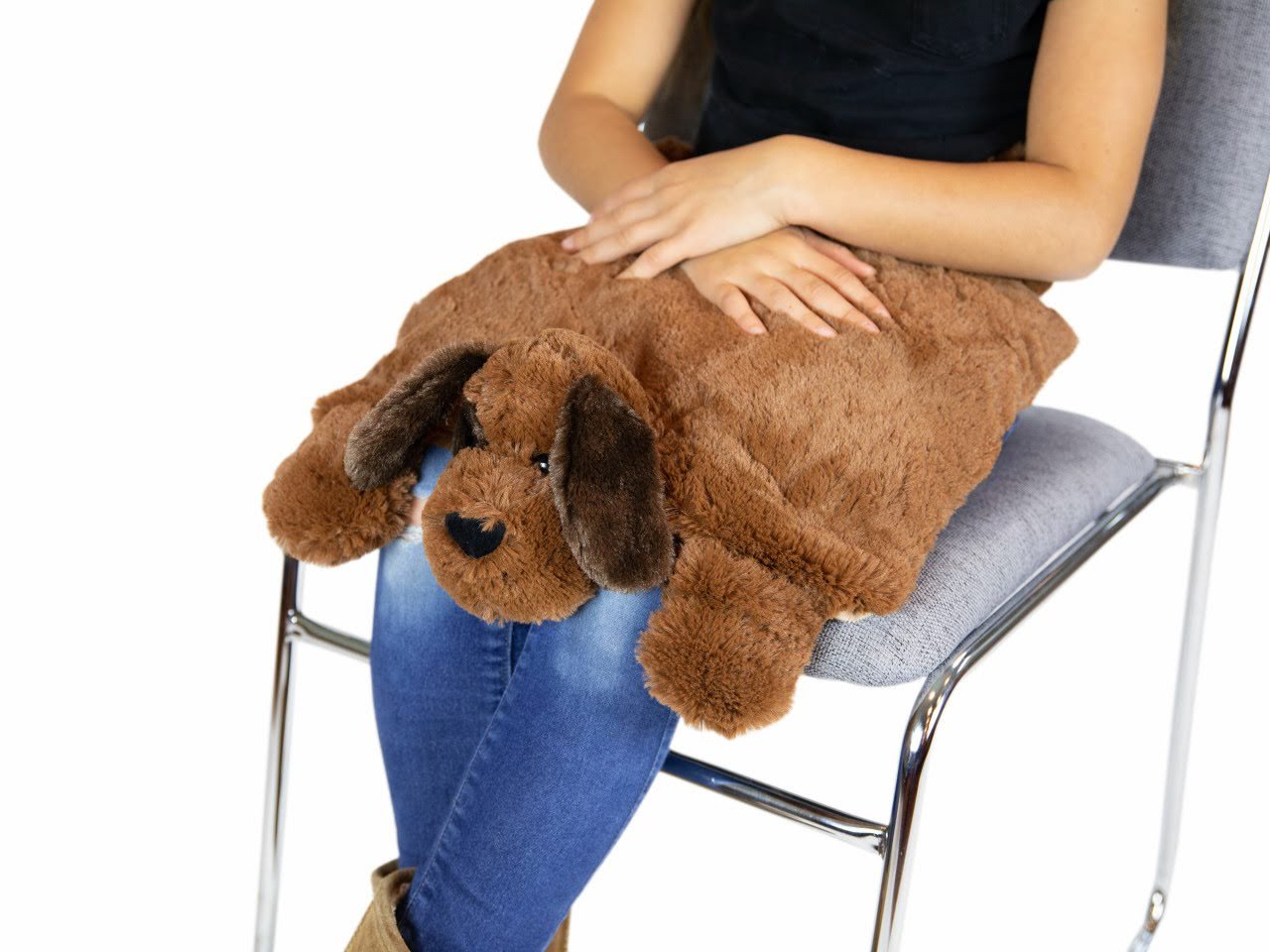
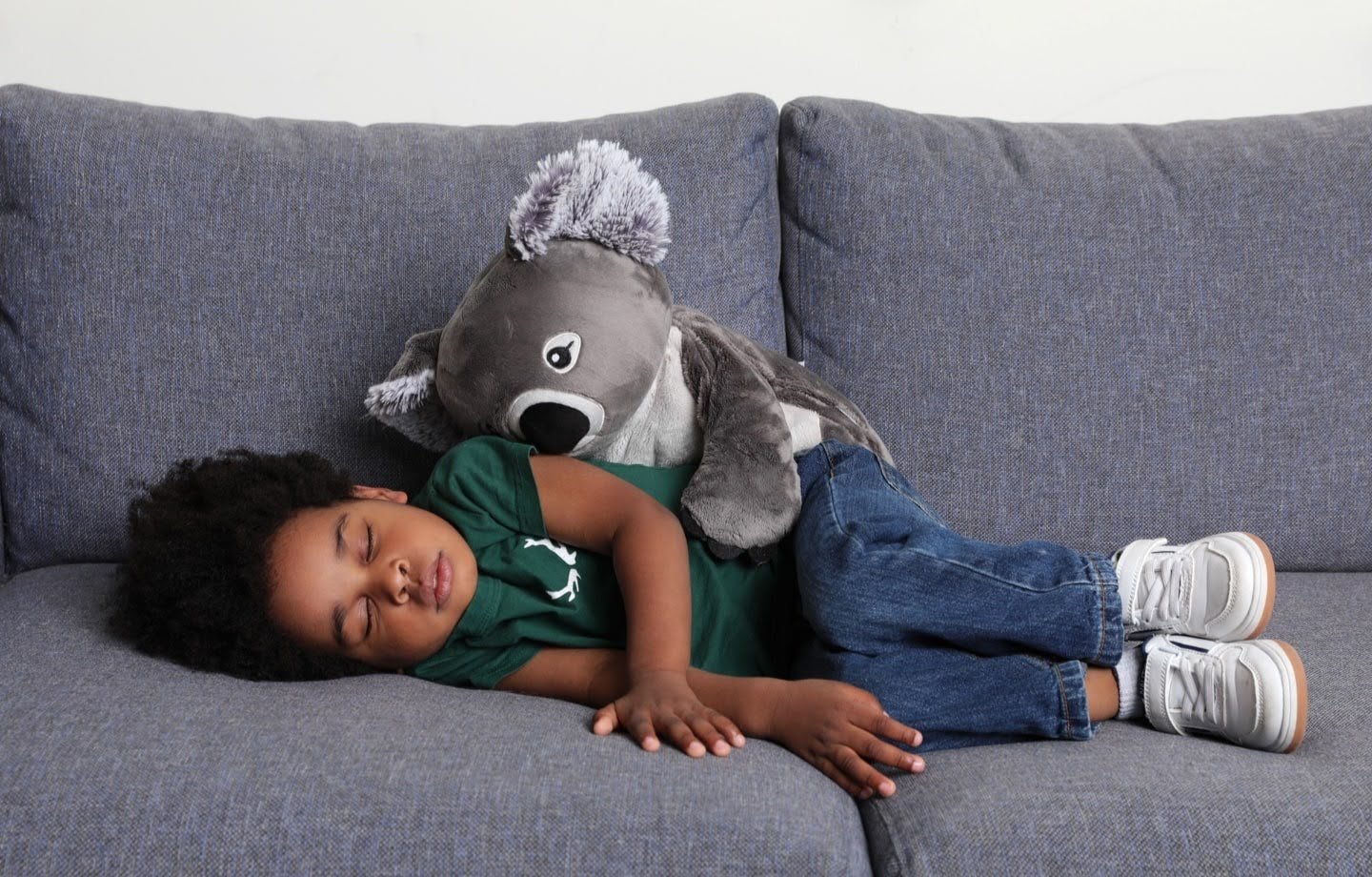
Weighted plush animals provide deep pressure therapy, mimicking a comforting hug that can reduce anxiety and promote relaxation. These cuddly companions are perfect for lap use during reading or downtime, aiding emotional regulation.
How Weighted Plush Toys Help:
✔ Provides deep pressure – Feels like a comforting hug.
✔ Reduces anxiety – Calms the nervous system.
✔ Improves focus – Helpful during reading or homework.
✔ Supports sleep routines – Many children relax better at bedtime.
✔ Creates emotional comfort – Becomes a safe companion during stressful moments.
5. Sensory Putty or Slime
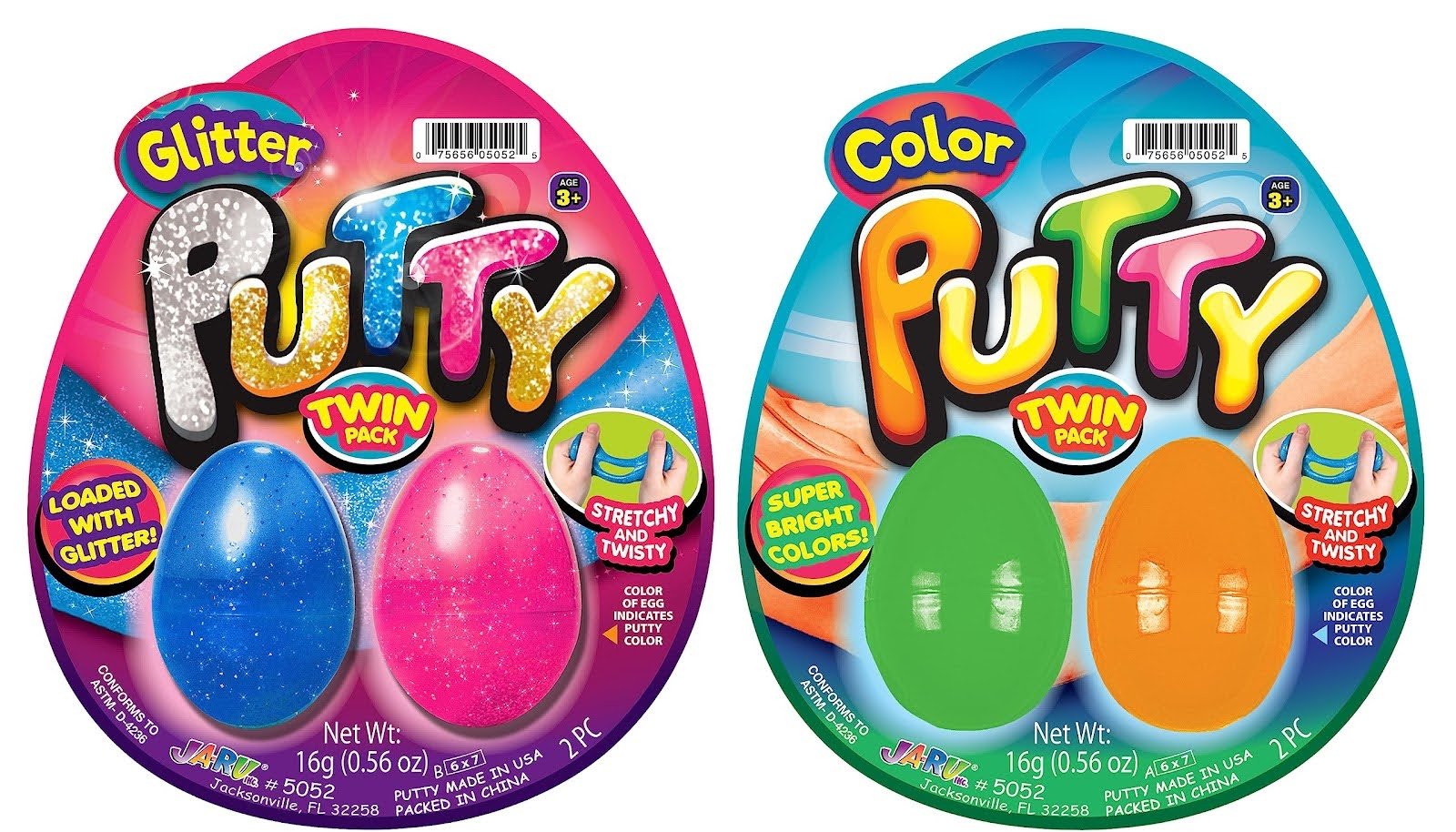
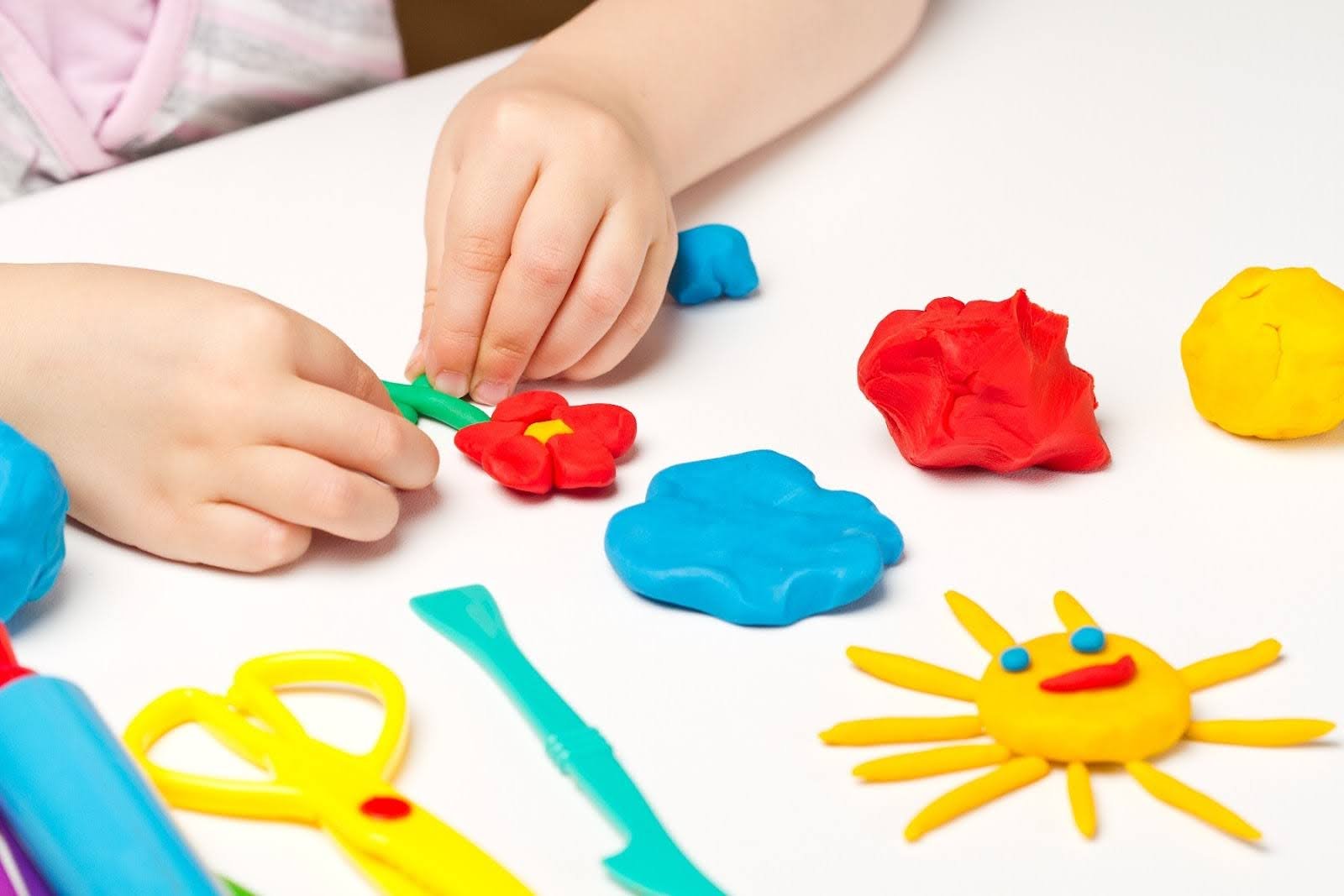
Sensory putty, such as glittery or colorful varieties, engages tactile senses through squishing and stretching, which can be incredibly calming. It enhances fine motor strength and creativity as kids mold shapes or hide small objects inside.
How Sensory Putty Helps:
✔ Relieves stress – Squishing is very calming.
✔ Strengthens hand muscles – Great for finger development.
✔ Improves creativity – Kids can shape and design freely.
✔ Encourages focus – Helps children stay seated and attentive.
✔ Provides sensory exploration – Different textures stimulate the senses safely.
6. Sensory Puzzle Blocks
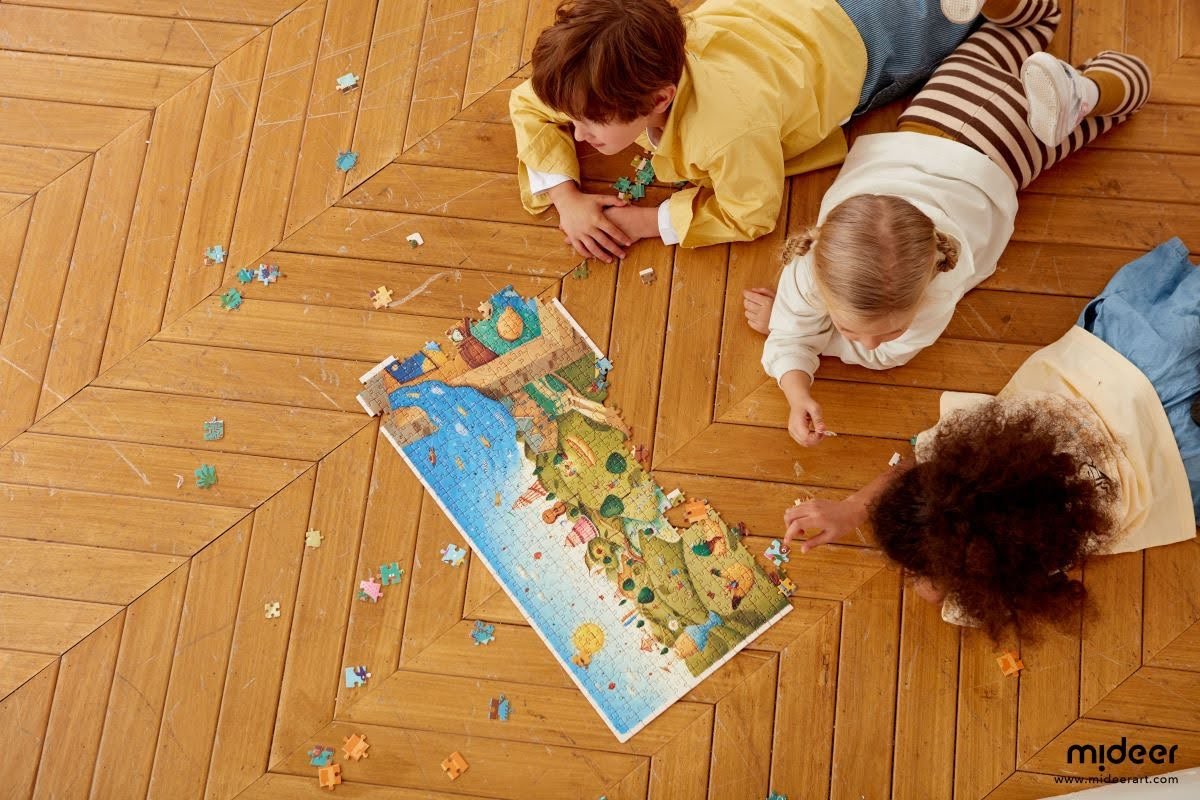
Soft foam sensory puzzles combine problem-solving with tactile feedback, helping develop spatial awareness and cognitive skills. Their easy-grip design makes them accessible, encouraging independent play.
How Puzzle Blocks Help:
✔ Improves thinking skills – Teaches matching and problem-solving.
✔ Builds spatial awareness – Kids learn about shapes and positions.
✔ Encourages independent play – Can be done alone.
✔ Supports teamwork – Also great for small group activities.
✔ Boosts confidence – Completing a puzzle gives a sense of achievement.
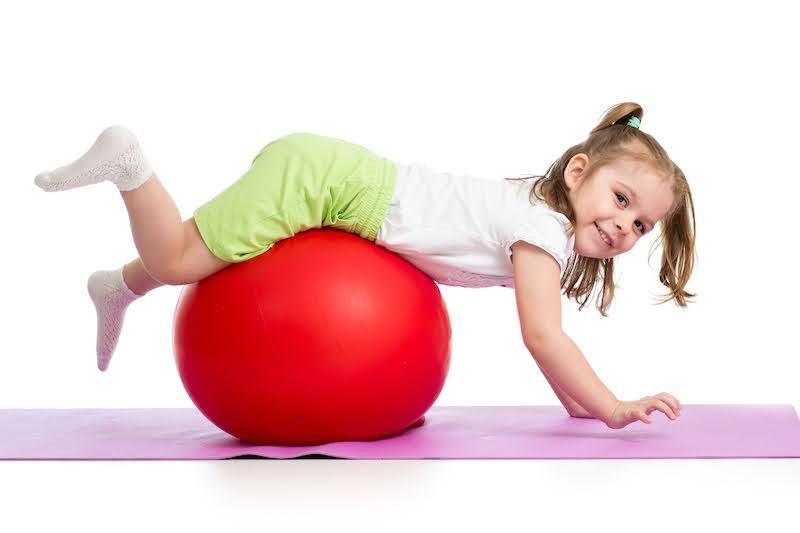
7. Yoga or Hopper Balls
Yoga balls promote balance and gross motor development through bouncing and rolling, providing proprioceptive input that grounds overactive senses.
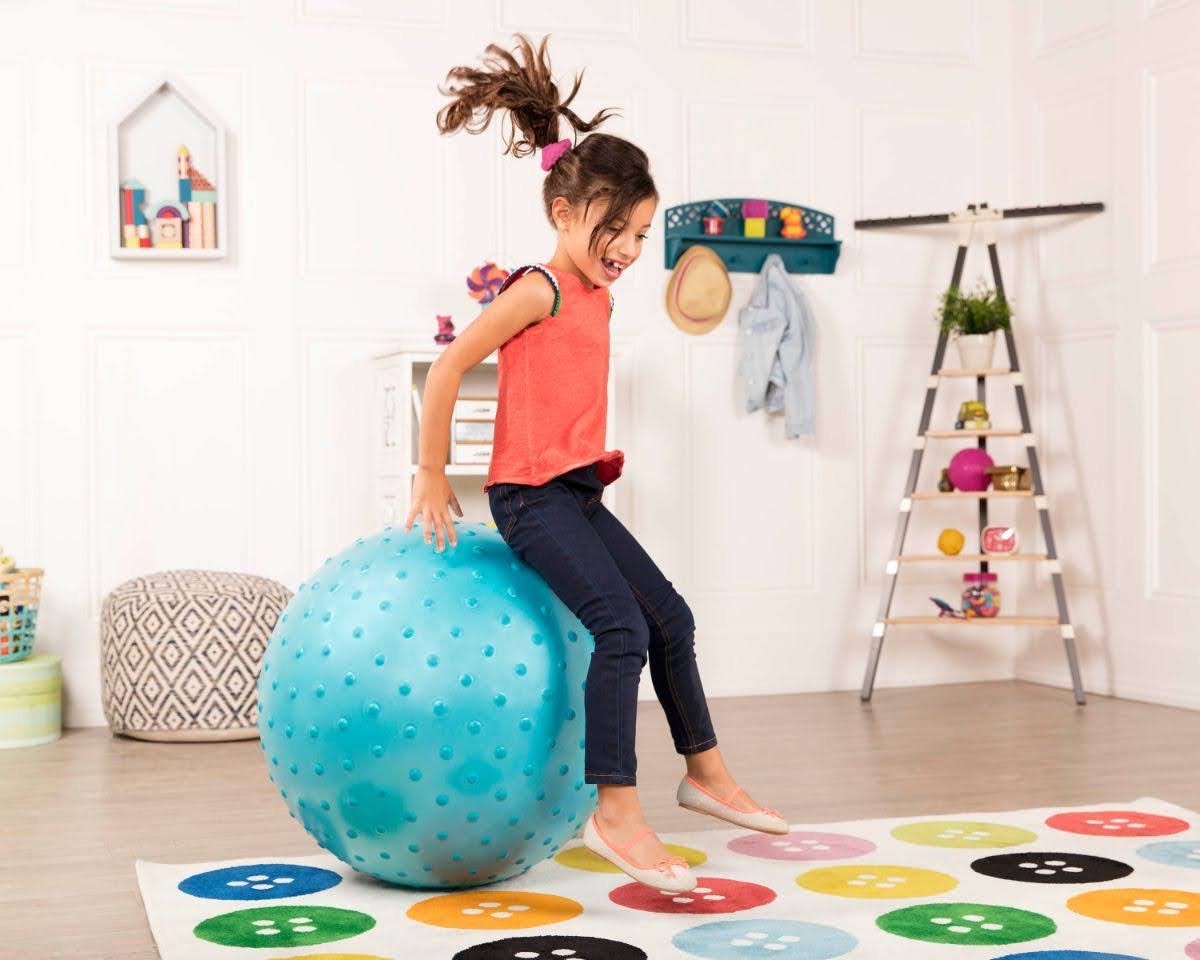
How Yoga/Hopper Balls Help:
✔ Improves balance – Strengthens core muscles.
✔ Provides proprioceptive input – Helps children feel grounded.
✔ Releases extra energy – Good for high-energy moments.
✔ Supports body awareness – Improves coordination.
✔ Regulates sensory needs – Bouncing can calm overactive senses.
Frequently Asked Questions
What type of toys are best for children with autism?
Toys that support sensory integration, fine motor skills, emotional regulation, and predictable play patterns tend to be most beneficial.
Are sensory toys only for children with sensory issues?
No. Sensory toys can benefit all children, but they are particularly helpful for those with autism who experience sensory processing differences.
How do weighted toys help children with autism?
Weighted toys provide deep pressure stimulation, which can calm the nervous system and improve focus and emotional stability.
Can building toys like LEGO improve social skills?
Yes. Structured building activities often encourage collaboration, communication, and shared problem-solving.
Should I consult a therapist before choosing toys?
If your child has specific sensory or developmental needs, consulting an occupational therapist can help you select the most appropriate options.
Final Thoughts
The best toys for kids with autism are those that support regulation, communication, independence, and joyful interaction. Instead of focusing on entertainment value alone, think developmentally:
- Does it calm?
- Does it teach?
- Does it build a connection?
When play aligns with a child’s needs, it becomes a powerful developmental tool — not just a pastime.
References
- American Occupational Therapy Association (AOTA). Occupational Therapy’s Role in Early Childhood Development. https://www.aota.org
- Autism Speaks. Sensory Issues and Autism. https://www.autismspeaks.org/sensory-issues
- National Autism Resources. Weighted Products for Sensory Support. https://nationalautismresources.com
- Altogether Autism (NZ). Fidget Toys and Safety Considerations. https://www.altogetherautism.org.nz
Comments are closed