



Key Summary
Early childhood education shapes cognitive, emotional, and social development during the most critical years of brain growth.
High-quality early learning programs improve school readiness, confidence, and long-term success.
Investing early creates lifelong academic and social advantages.
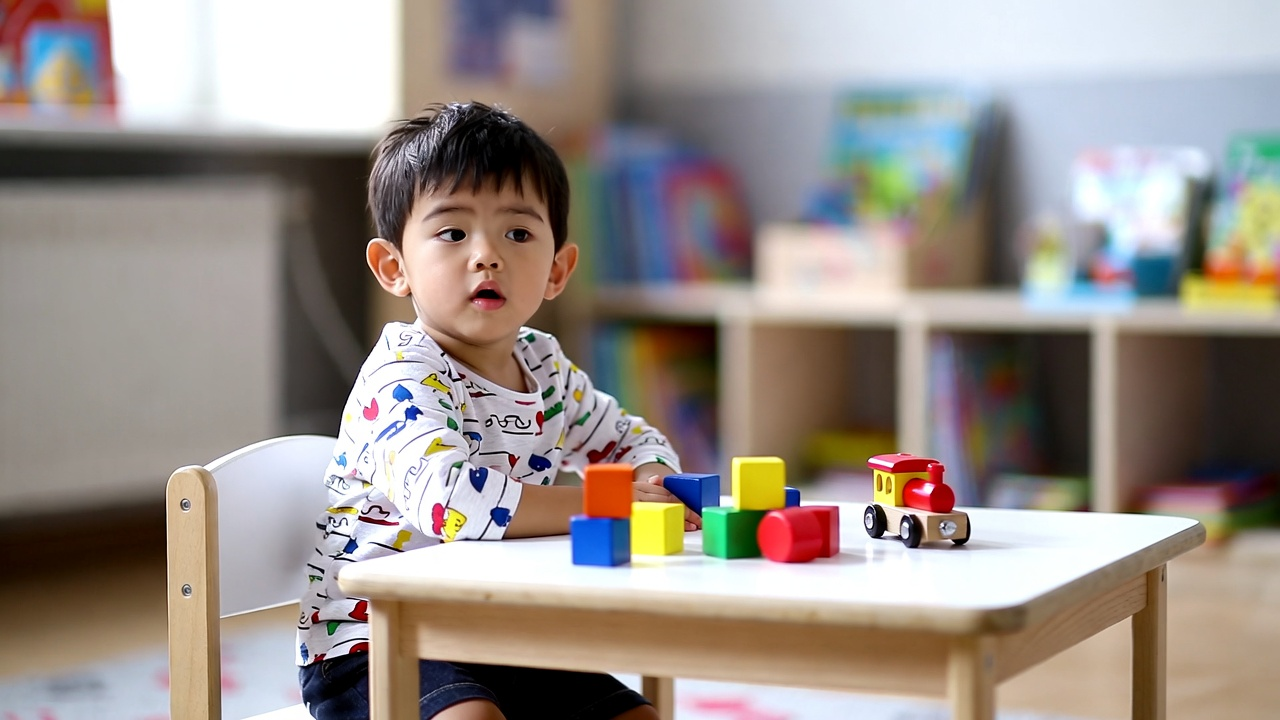
Early childhood education is about helping young children learn and grow during their most important early years. From birth to age eight, children develop basic skills like speaking, thinking, understanding emotions, and building friendships.
During this time, their brains grow very fast. What they learn and experience now can affect their confidence, learning ability, and behavior later in life. That is why early childhood education is so important; it gives children a strong and healthy start.
Organizations such as the National Association for the Education of Young Children (NAEYC) support high-quality early education programs that focus on safe environments, caring teachers, and age-appropriate learning activities.
Table of Contents
Why Early Childhood Education Matters
1. Brain Development and Cognitive Growth
By age five, a child’s brain reaches nearly 90% of its adult size. During this period:
- Vocabulary expands rapidly
- Problem-solving abilities emerge
- Emotional regulation begins forming
- Memory systems strengthen
Research supported by the Harvard University Center on the Developing Child highlights that responsive relationships and structured learning environments significantly enhance neural architecture.
2. Academic Readiness
Children enrolled in quality preschool programs demonstrate:
- Stronger literacy foundations
- Early numeracy skills
- Better attention control
- Improved classroom behavior
Longitudinal research by the HighScope Educational Research Foundation (Perry Preschool Study) showed participants had higher graduation rates and improved lifetime earnings.
3. Social and Emotional Development
ECE supports:
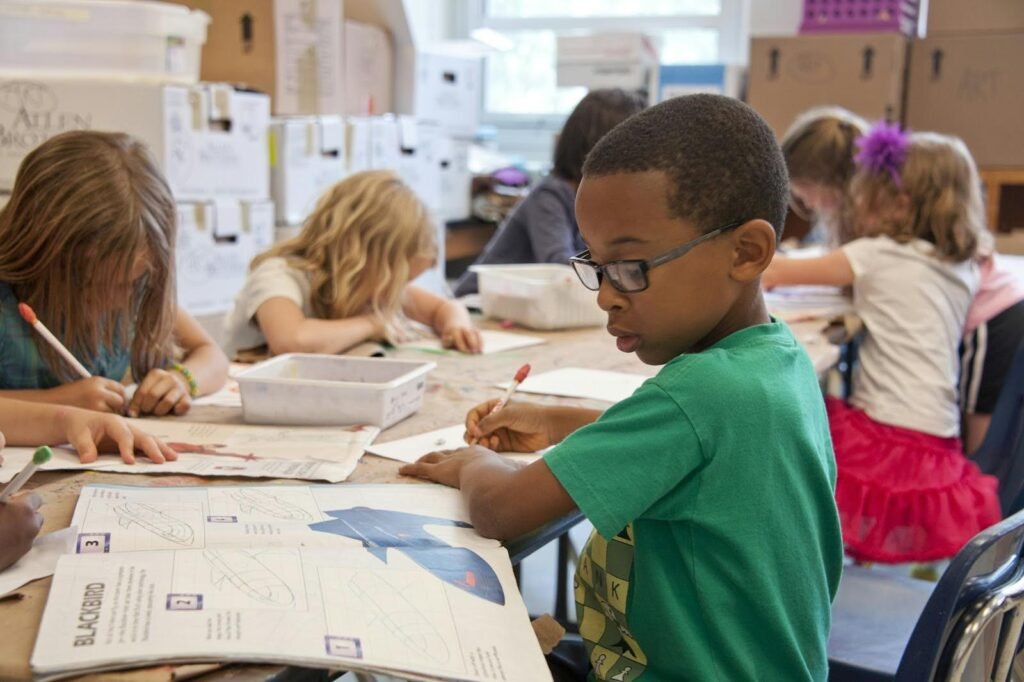
- Cooperation and teamwork
- Emotional vocabulary development
- Conflict resolution skills
- Empathy and confidence
Educational philosophies like Montessori education emphasize independence and intrinsic motivation, while the Reggio Emilia approach focuses on collaborative exploration and creativity.
Core Components of High-Quality Early Childhood Education
Component | Impact on Development |
Play-Based Learning | Enhances creativity and cognitive flexibility |
Qualified Educators | Ensures developmental alignment |
Safe Environment | Builds emotional security |
Family Engagement | Reinforces learning at home |
Structured Routine | Supports executive functioning |
The Role of Educational Toys in Early Childhood
Learning in early childhood is hands-on. The right materials significantly enhance developmental progress.
For toddlers, sensory-based and motor skill-building toys are crucial. If you’re exploring age-appropriate options, see our detailed guide on Best Educational Toys for 2 Year-Olds, which breaks down cognitive, language, and motor skill benefits.
For children with developmental differences, specialized tools can provide structured engagement. Our guide on Best Toys for Kids with Autism explains how sensory-friendly and communication-focused toys support social and emotional growth.
These resources complement structured early education programs and extend learning into the home environment.
Long-Term Benefits of Early Childhood Education
Economist James Heckman, Nobel Laureate, demonstrated that early investment in children produces 7–10% annual return through improved education, employment, and health outcomes.
Long-term outcomes include:
- Higher earning potential
- Lower crime rates
- Reduced social dependency
- Improved mental health
- Stronger workforce participation
Frequently Asked Questions
What age does early childhood education begin?
ECE typically begins at birth and continues through age eight, covering infant programs through early elementary.
What is the meaning of early childhood education?
Early childhood education is considered the official term for teaching young kids. More specifically, it refers to formal and informal educational programs that guide the growth and development of children throughout their preschool years (birth to age five)
How does play-based learning help development?
Play strengthens problem-solving, language development, creativity, and executive functioning through experiential learning.
What makes an early childhood program high quality?
Qualified teachers, low student-to-teacher ratios, structured routines, family involvement, and developmentally appropriate curriculum.
How can parents support early education at home?
Reading daily, encouraging imaginative play, using educational toys, maintaining routines, and limiting passive screen time.
Final Thoughts
Early childhood education is not simply preparation for school; it is preparation for life. The neurological, emotional, and cognitive systems developed in these early years form the infrastructure for adulthood.
When families, educators, and policymakers invest in quality early education, the result is not just academic success; it is societal progress.
The evidence is consistent: the earlier we build strong foundations, the stronger the future becomes.
References
- National Association for the Education of Young Children – Developmentally Appropriate Practice Guidelines
- Harvard University Center on the Developing Child – Brain Architecture Research
- HighScope Educational Research Foundation – Perry Preschool Study
- UNESCO – Global Education Monitoring Reports
- James Heckman – Economics of Early Childhood Investment
Comments are closed