




Key Summary
Level 3 Autism, the most severe form of ASD, involves major communication challenges, repetitive behaviors, and heavy reliance on caregivers. This blog explores its signs, diagnosis, care strategies, and links to child development and family support.
The severe difficulties encountered by the communication skills, day-to-day living, and independence of children with Level 3 Autism can leave parents of such individuals overwhelmed. Families can have difficulty with vague instructions regarding treatments, training, and emotional care. This may be coupled with misconceptions and stigma that increase their isolation and stress. This resource describes Level 3 Autism, including symptoms, diagnosis, and care plans. It also relates the condition to child development, enabling those taking care to provide effective care.
Table of Contents
What is Level 3 Autism?
Level 3 Autism Spectrum Disorder (ASD) is the most severe form of autism as outlined in the DSM-5 classification system. It is characterized by a requirement for “very substantial support” due to significant impairments in both social communication and adaptive functioning. Children and adults with this diagnosis often display highly restricted, repetitive behaviors and have minimal speech or use nonverbal communication methods like gestures or assistive devices.
Unlike Levels 1 and 2, which allow some degree of independence, Level 3 often requires lifelong support. The core areas of concern include verbal and nonverbal communication deficits, rigid routines, extreme sensitivity to sensory input, and difficulty forming relationships. According to CDC’s Autism Facts, autism affects approximately 1 in 36 children, with Level 3 cases representing a smaller but crucial segment that needs intensive care and planning.
Core Characteristics of Level 3 Autism
Children with Level 3 Autism show several consistent features:
- Severe communication challenges: They may use few words or none at all, and may rely heavily on visual aids or technology.
- Repetitive behaviors: Rocking, hand-flapping, lining up objects, or insistence on strict routines are common.
- Strong sensory sensitivities: Noise, textures, or lighting may cause distress.
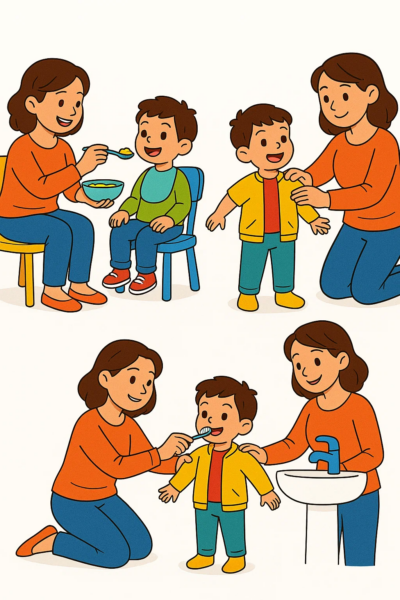
- Dependence on caregivers: Daily tasks such as eating, dressing, or toileting often require direct assistance.
- Difficulty with social reciprocity: Limited eye contact, reduced awareness of others, and minimal interest in peer interaction.
These challenges often intersect with developmental concerns, making it important for parents to understand what classes are considered for child development so they can provide structured environments tailored to their child’s needs.

Diagnosis and Early Intervention
Diagnosis typically occurs between ages 2–5 when developmental milestones are delayed or absent. Pediatricians may use standardized screening tools such as the M-CHAT or ADOS-2, alongside behavioral observations and parent interviews.
Early intervention is crucial. According to NIH research on early autism treatment, intensive behavioral therapy begun before age 4 significantly improves communication and adaptive functioning. Intervention methods include Applied Behavior Analysis (ABA), speech therapy, and occupational therapy, all adapted to meet the needs of children requiring substantial support.
Parents who notice sudden changes, such as if a child develops unusual behaviors like tics, may question, Why has my child suddenly developed a tic? This highlights the importance of ongoing developmental monitoring and professional consultation.
Daily Life Challenges Faced by Children with Level 3 Autism
A child with Level 3 autism typically faces profound barriers in daily living. Activities such as feeding themselves, engaging in play, or attending school require structured support. Meltdowns may occur when routines are disrupted, causing distress for both the child and the family.
Parents also encounter challenges balancing therapy schedules with home life, often needing to coordinate multiple specialists. Social isolation is another concern since these children may struggle to participate in peer activities. Families often look toward cutting-edge approaches to child development for strategies to improve adaptive skills and reduce barriers.
Treatment Approaches and Support Systems
Treatment is not about curing autism but improving quality of life. Core interventions include:
- Behavioral therapies (ABA): Focused on reducing harmful behaviors and teaching new skills.
- Speech and communication support: Including augmentative communication devices.
- Occupational therapy: For sensory integration and improving daily living skills.
- Parent training: To reinforce strategies at home.
- Pharmacological management: For co-occurring conditions like anxiety, ADHD, or seizures.
A holistic care plan often involves collaboration between medical providers, therapists, educators, and parents. According to the Autism Speaks treatment guide, individualized plans yield the best outcomes.
Role of Child Development in Autism Care
Child development plays a critical role in shaping interventions for Level 3 Autism. By understanding developmental milestones, parents can align therapies with realistic expectations. For example, fine motor classes or communication-focused classes may help bridge developmental gaps.
This is where resources like Why is child development important? become relevant, emphasizing that developmentally appropriate interventions help children achieve incremental progress, even if full independence may not be possible. For parents packing meals, even small tasks like preparing toddler lunch box ideas can be a way to involve children in routine-building activities.

Comparing Level 3 Autism with Levels 1 & 2
Feature | Level 1 Autism (Mild) | Level 2 Autism (Moderate) | Level 3 Autism (Severe) |
Support Needs | Requires some support | Requires substantial support | Requires very substantial support |
Communication | Full sentences, some difficulty | Limited speech, simple sentences | Minimal to no speech |
Social Interaction | Can initiate but struggles | Reduced initiation, difficulty maintaining | Rare initiation, minimal reciprocity |
Repetitive Behaviors | Noticeable, but manageable | Frequent, disrupts daily life | Severe, rigid, highly disruptive |
Daily Living Skills | Independent with support | Partial dependence | Highly dependent |
Parenting Strategies and Practical Support
Parents raising a child with Level 3 Autism benefit from structured routines, visual supports, and professional guidance. Practical tips include:
- Using visual schedules for daily routines.
- Breaking tasks into smaller, manageable steps.
- Creating sensory-safe spaces at home.
- Practicing positive reinforcement to encourage progress.
- Seeking respite care and community support networks.
Parental self-care is equally vital. Support groups allow parents to share experiences and find strength in community.
Community, Education, and Social Resources
Children with Level 3 Autism require specialized educational settings that offer small class sizes, tailored learning, and integration of therapy services. Schools often partner with parents to create Individualized Education Plans (IEPs).
Community organizations, non-profits, and healthcare systems provide additional support. According to Autism Society resources, local advocacy groups help families access funding, therapies, and inclusive activities.
Frequently Asked Questions
Can children with Level 3 Autism improve over time?
Yes, with consistent therapies and structured care, children can develop better communication, adaptive skills, and social interaction, though lifelong support may be required.
What causes Level 3 Autism?
The exact cause is unknown, but research suggests a combination of genetic, neurological, and environmental factors.
Can children with Level 3 Autism attend regular schools?
Most benefit from specialized education or integrated classrooms with strong support systems.
How do I know if my child is Level 3 and not Level 2?
A professional diagnosis is necessary, as Level 3 is distinguished by the intensity of support required for daily living.
Are there new therapies being researched?
Yes, ongoing studies explore genetic therapies, advanced behavioral methods, and technology-based interventions.
Final Thoughts
Level 3 Autism may bring profound challenges, but it also presents unique opportunities for growth, learning, and love. With the right therapies, community support, and developmental approaches, children can achieve meaningful progress. For parents navigating this journey, knowing the resources and strategies available can be life-changing.
References
- CDC. (2024). Facts About Autism Spectrum Disorder.
- Centers for Disease Control and Prevention. https://www.cdc.gov/autism/index.html
- NIMH. (2023). Autism Spectrum Disorder. National Institute of Mental Health. https://www.nimh.nih.gov/health/topics/autism-spectrum-disorders-asd
- Autism Speaks. (2024). Treatments and Therapies. https://www.autismspeaks.org/autism-therapies
- Autism Society. (2024). Autism Resources. https://autismsociety.org/resources-by-topic/
Comments are closed