



Key Summary:
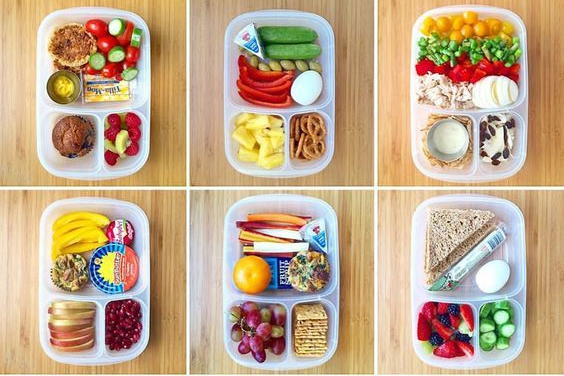
Packing a toddler’s lunch doesn’t have to be stressful. This guide helps parents create lunch boxes that are nutritious, age-appropriate, and fun to eat. From understanding your toddler’s nutritional needs to offering creative food ideas and handling picky eating, this blog provides practical, expert-backed solutions. Whether you’re planning meals for daycare or at home, you’ll find smart tips, a sample weekly plan, and everything you need to make lunchtime healthier and happier for your child.
You’re not alone. Thousands of parents deal with the same problem every morning: what to put in that little lunchbox that is both nourishing and entertaining while still being acceptable to toddlers? The task can feel overwhelming due to dietary restrictions, time constraints, and picky eating habits. Half of the food returns even after you cut sandwiches into shapes and slip vegetables into pasta. Does your toddler consume enough food? During this critical period of development, are you providing the proper balance?
We’ll look at lunchbox ideas in this guide that are supported by child development research in addition to being parent-approved. You’ll find everything you need to nourish your child’s body and mind without going insane, from vibrant finger foods and well-balanced bento boxes to weekly meal plans and astute safety advice.
Table of Contents
Recognising the Nutritional Needs of Toddlers
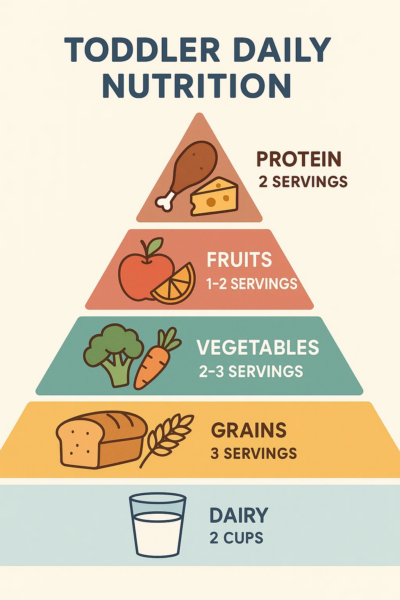
Toddlers (ages 1–3) need a diet high in essential nutrients to support their developing bodies and minds. Toddlers require a range of whole foods, including fruits, vegetables, lean proteins, whole grains, and healthy fats. A combination of macronutrients, carbohydrates for energy, proteins for growth, and fats for brain development—should ideally be present in every meal.
Meals must be nutrient-dense without being overly large because their stomachs are still small at this point. Lunchboxes and snacks need to strike a balance between quantity and variety. Emotional control, concentration, and physical development can all be negatively impacted by poor nutrition during these years, which is closely related to the topics covered in our blog on middle childhood cognitive development.
Nutrient Highlights:
- Iron: Crucial for brain development
- Calcium and Vitamin D: For bone growth
- Fiber: Aids digestion
- Omega-3s: Supports cognitive function
Innovative Lunchbox Designs for Toddlers (With Examples)
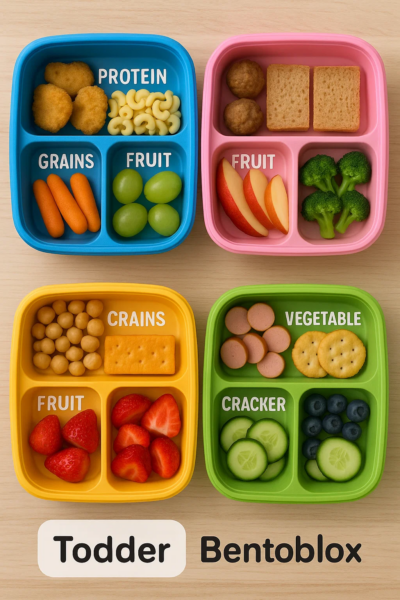
Making a vibrant, well-balanced, and engaging lunchbox inspires your toddler to try new foods. The best products are finger-friendly and come in a range of colors and textures. The “rainbow rule,” which calls for at least three colors in each meal, is a useful guideline.
Innovative Lunchbox Elements:
- Mini wraps or sandwiches: hummus pinwheels, turkey and cheese roll-ups
- Fruits: Banana coins, blueberries, and sliced strawberries
- Vegetables: softened baby carrots, cucumber sticks, and steamed broccoli florets
- Dips: hummus, guacamole, or Greek yoghurt
- Protein: Chickpea patties, shredded chicken, and boiled eggs
- Treats: yoghurt drops and low-sugar mini muffins
Bento Box Example:
One compartment can hold whole wheat pasta with peas, another with apple slices, and a third with cheese cubes and mini crackers. Add a fun food pick to make it visually appealing.
According to this Harvard Health guide, toddlers are sensory eaters, and textures, colors, and shapes impact their willingness to eat. Including these elements fosters acceptance.
Managing Picky Eaters
In toddlerhood, picky eating is common and peaks between the ages of two and three. Exposure and consistency are essential. A Stanford Medicine study suggests that a toddler may require up to fifteen exposures to a new food before they will accept it.
Ways to Deal with Picky Eating:
- Change up your meals to include both new and old favorites.
- Provide options (apple or pear, for example).
- Never bribe or force-feed.
- Eat together and set an example for others.
- Make food enjoyable by using themed lunch days, colorful picks, and cookie cutters.
Creating lunches that relate to themes, colors, or shapes can foster acceptance and foster creativity. This relates to our article on the value of imagination in child development, which discusses how mealtimes can be transformed into storytelling sessions.
Weekly Toddler Lunch Box Planner
Day | Main Item | Sides | Fruit | Protein | Treat |
Monday | Turkey wrap slices | Carrot sticks + hummus | Grapes (halved) | Boiled egg | Yogurt drops |
Tuesday | Mini mac & cheese | Broccoli florets (steamed) | Banana coins | Chicken strips | Mini muffin |
Wednesday | Cheese quesadilla | Cherry tomatoes (cut) | Apple slices | Pinto beans | Rice cakes |
Thursday | Pasta with peas | Cucumber rounds + ranch | Watermelon cubes | Turkey cubes | Oatmeal cookie |
Friday | Sunbutter sandwich | Sweet potato chunks | Kiwi slices | Tofu cubes | Whole wheat cookie |
Food Safety and Storage Tips
Ensuring lunchbox items stay fresh and safe is critical, especially in warm climates or schools without refrigeration. Toddlers are more susceptible to foodborne illness due to their developing immune systems.
Safety Essentials:
- Use an insulated lunch bag with ice packs
- Pack hot foods in thermoses
- Cut food into toddler-safe sizes
- Avoid choking hazards (whole grapes, nuts, large meat chunks)
- Label food items for allergies
The CDC provides updated guidelines for food safety in children, emphasizing hygiene during food prep and temperature management.
The Role of Meals in Cognitive and Emotional Development
Lunchtime isn’t just about nutrition; it’s a key moment in your toddler’s day that fosters independence, sensory learning, and emotional regulation. Balanced meals with consistent routines help children feel secure. This aligns with concepts discussed in Middle School Developmental Stages, which emphasizes how early habits shape later stages.
Key Developmental Benefits of Healthy Lunches:
- Improved focus and memory
- Better behavior regulation
- Social bonding during shared meals
- Enhanced motor skills (e.g., using utensils)
Frequently Asked Questions
What are the best protein options for toddlers?
Soft-boiled eggs, shredded chicken, tofu, Greek yogurt, and beans are great toddler-friendly proteins.
How can I keep lunches interesting without too much effort?
Rotate themes (e.g., rainbow day, shapes day), use cookie cutters, and vary dips and textures.
What if my toddler refuses to eat lunch at daycare?
Try taste-testing at home, talk to caregivers about eating patterns, and stay consistent.
Final Thoughts
Packing a toddler’s lunch box doesn’t have to be stressful or repetitive. With a little planning, creativity, and understanding of their developmental and nutritional needs, you can create lunches that nourish their bodies and minds. Consistency, exposure, and playful engagement at mealtime are key to supporting lifelong healthy habits.
References
- American Academy of Pediatrics. (2023). Toddler Nutrition
- CDC. (2024). Food Safety for Young Children
- Harvard Health. (2023). Why toddlers are picky eaters
- Stanford Medicine. (2022). Picky Eating in Toddlers
Comments are closed