


Key Summary
Educational toys for two-year-olds help build fine and gross motor skills, spark creativity, and support early cognitive development. From building blocks and shape sorters to art supplies and pretend play sets, the right toys encourage independent exploration, problem-solving, and imaginative play while keeping safety and age-appropriateness in mind.
At two years old, children are in a powerful stage of brain development. Their curiosity is expanding, their hands are constantly exploring, and their imagination is beginning to flourish. This is the age where the right educational toys can significantly influence cognitive growth, creativity, and both fine and gross motor skill development.
However, not all toys labeled “educational” truly support development. The best toys for toddlers are those that encourage hands-on exploration, problem-solving, imagination, coordination, and independence.
In this comprehensive guide, we’ll explore educational toy ideas that specifically nurture creativity and motor skills in two-year-olds, along with expert-backed reasons why they work.
Table of Contents
Why Creativity and Motor Skills Matter at Age Two
At this stage, toddlers are:
- Developing fine motor control (grasping, stacking, scribbling)
- Improving gross motor skills (walking, climbing, pushing)
- Beginning pretend play
- Learning cause-and-effect relationships
- Expanding vocabulary rapidly
According to pediatric development research, hands-on play strengthens neural connections in areas responsible for coordination, memory, and problem-solving.
Toys that require manipulation, building, sorting, or imagining scenarios stimulate multiple developmental domains at once.
For more insights on how early childhood play affects learning, see our Early Childhood Education guide.
Best Educational Toys for Creativity and Motor Skill Development
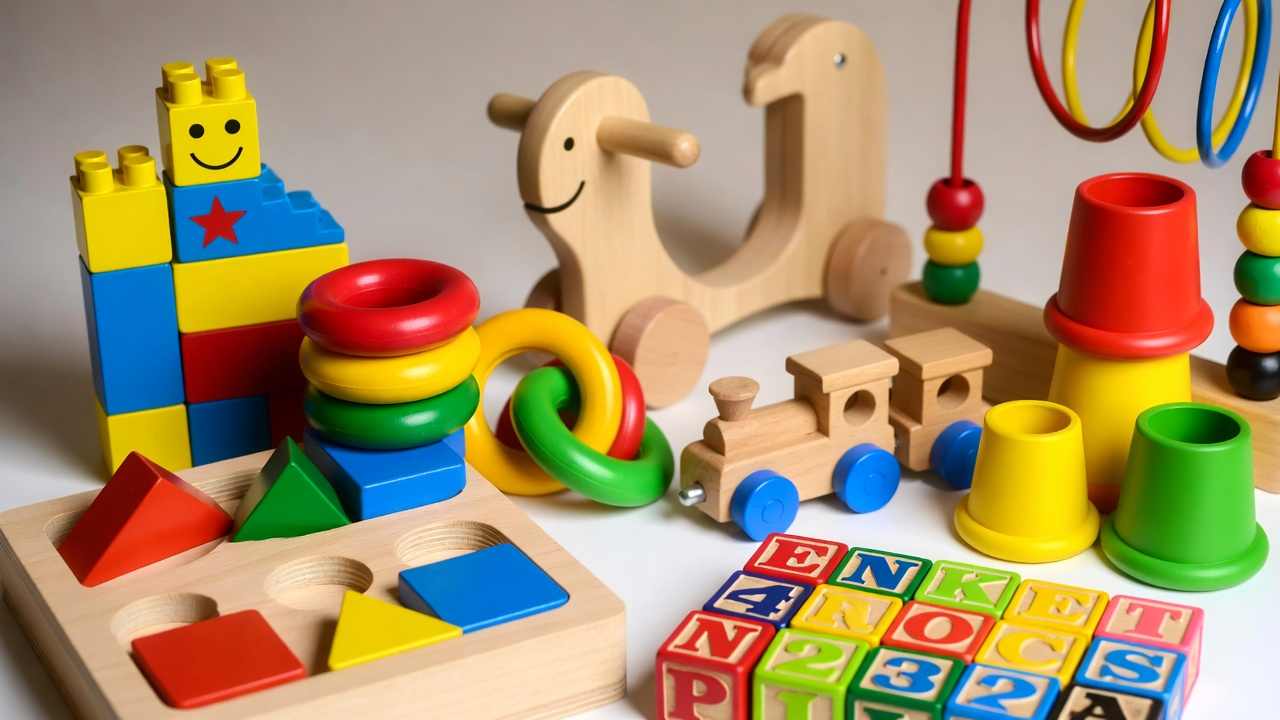
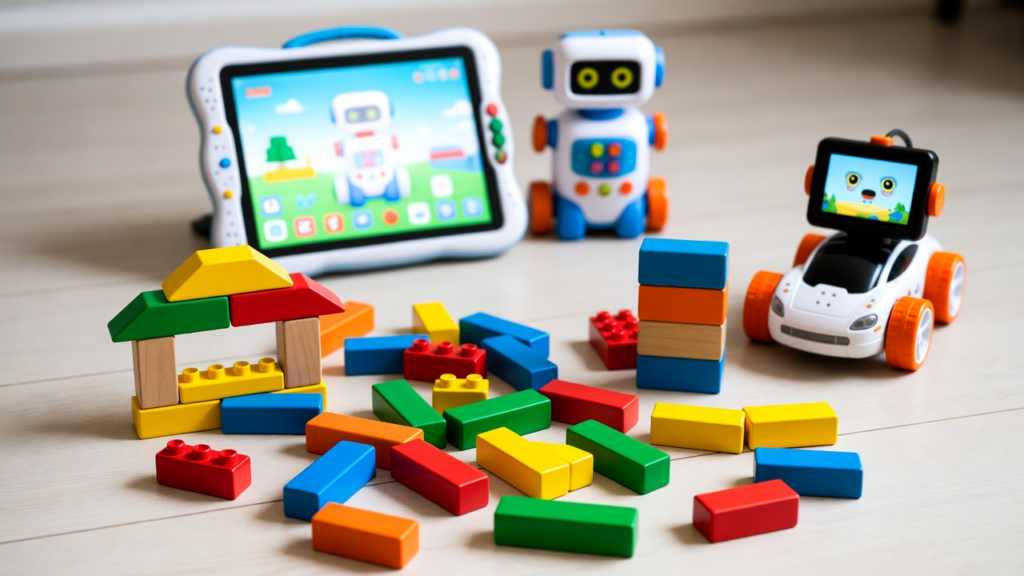
1. Building Blocks
Classic wooden blocks or large stacking blocks are foundational developmental toys.
Why They Work:
- Improve hand-eye coordination
- Strengthen fine motor control
- Teach spatial awareness
- Encourage open-ended creativity
Children experiment with balance, gravity, and structure while building towers and knocking them down.
You may consider wooden block sets from brands like Melissa & Doug or large toddler-friendly sets such as LEGO DUPLO.
Development Boost: Fine motor skills + early engineering thinking + imagination
You can also check more ideas in our blog, Best Educational Toys for 2-Year-Olds, to compare and expand options.
2. Shape Sorters
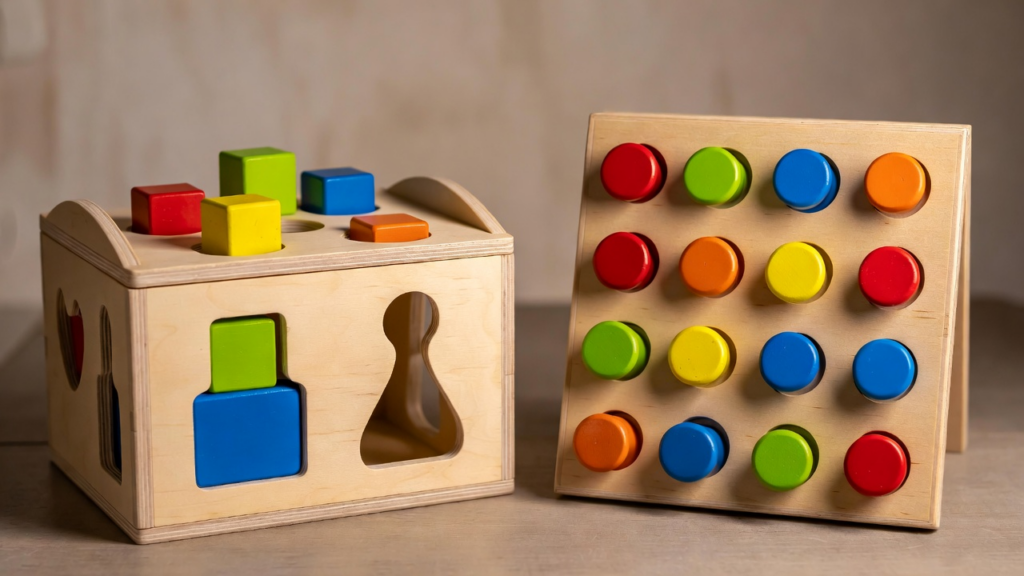
Shape sorting toys help toddlers recognize differences in size and form while improving precision hand movements.
Skills Developed:
- Problem-solving
- Visual discrimination
- Hand precision
- Patience
By figuring out which shape fits where, toddlers learn cause-and-effect relationships and logical reasoning.
Development Boost: Cognitive reasoning + fine motor coordination
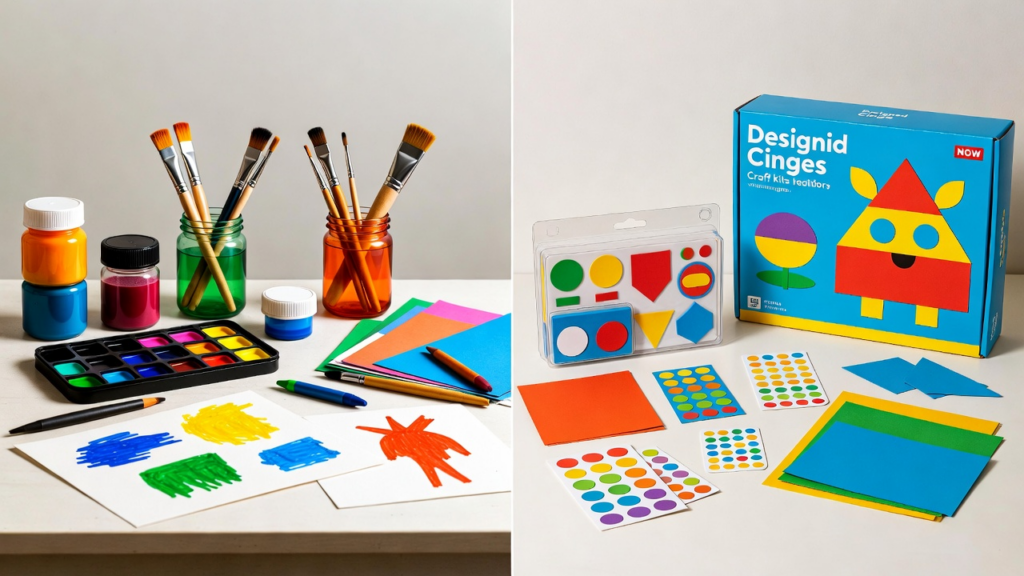
3. Art Supplies vs Pre Designed Craft Kits
Toddler Safe Art Supplies
Large crayons, washable markers, and finger paints allow toddlers to create freely.
Benefits:
- Develop grip strength
- Enhance hand coordination
- Encourage self-expression
- Stimulate sensory exploration
There is no right result, just experimentation and creativity.
Pre-Designed Craft Kits
Some kits require sticking shapes in specific places or following simple instructions.
Benefits:
- Introduce basic sequencing
- Teach the following directions
Limitations:
- Limit creative freedom
- Focus more on outcome than exploration
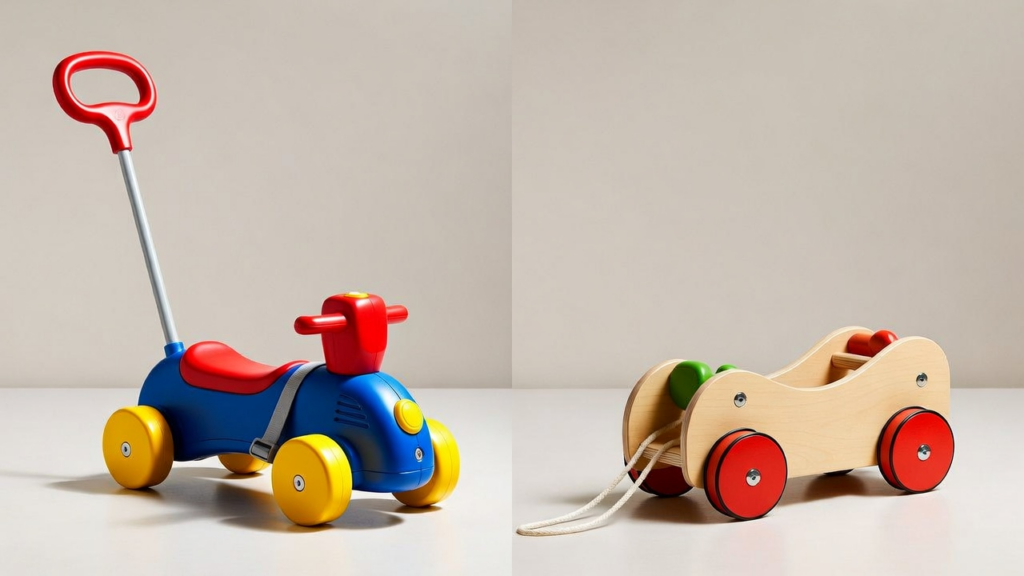
Ride On Toys vs Push and Pull Toys
Ride On Toys
These toys allow toddlers to sit and move using their feet.
Benefits:
- Develop gross motor strength
- Improve balance
- Build coordination
They are particularly helpful for active toddlers who need movement-based play.
Push and Pull Toys
Examples include toy lawn mowers or animal pull toys.
Benefits:
- Encourage walking confidence
- Strengthen leg muscles
- Improve coordination
Pretend Play Sets vs Character-Themed Toys
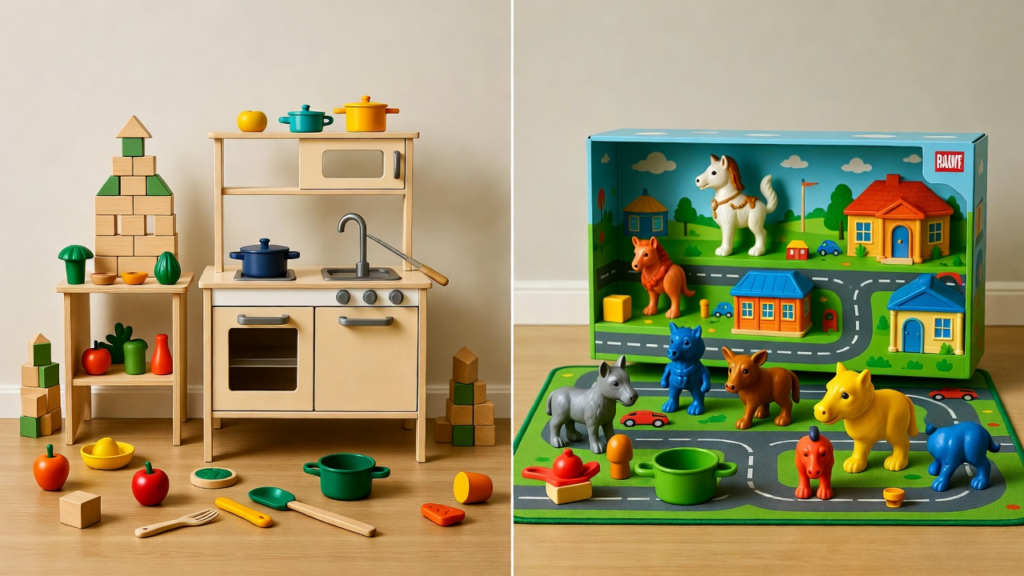
Pretend Play Sets
Kitchen sets, tool benches, or doctor kits encourage imaginative storytelling.
Benefits:
- Promote social development
- Encourage creativity
- Develop fine motor skills through handling small accessories
- Expand vocabulary
Character Themed Toys
Toys based on popular characters often come with fixed storylines.
Benefits:
- Familiarity can spark interest
Limitations:
- May restrict imaginative flexibility
- Often encourage reenactment rather than original storytelling
For more ideas supporting unique learning needs, check out our guide on Best Toys for Kids with Autism.
How to Choose the Right Educational Toy
When selecting toys for a two-year-old, prioritize:
Open-Ended Play
Toys that can be used in multiple ways promote creativity.
Hands-On Interaction
Passive electronic toys limit motor engagement.
Safety & Size
Avoid small pieces that present choking hazards.
Durability
Toddlers are active and exploratory.
Simplicity
Overly complex toys reduce independent play confidence.
Fine Motor vs Gross Motor: Quick Comparison
Skill Type | What It Involves | Toy Examples |
Fine Motor Skills | Small hand and finger movements | Blocks, crayons, puzzles |
Gross Motor Skills | Large body movements | Push toys, ride-ons |
Creative Skills | Imagination and expression | Pretend play, art supplies |
Expert Tips for Maximizing Development
- Rotate toys every few weeks to maintain interest.
- Play alongside your toddler to model creativity.
- Encourage independent problem-solving before helping.
- Limit screen time in favor of hands-on exploration.
Observe what your child naturally gravitates toward.
Final Thoughts
Educational toys for two-year-olds should do more than entertain—they should actively engage the brain and body. Building blocks, art materials, sensory tools, pretend play sets, and movement-based toys all support essential milestones during this critical stage.
The best toy is one that encourages curiosity, creativity, and movement while allowing toddlers to explore at their own pace.
When chosen thoughtfully, educational toys become powerful tools for lifelong learning.
References
The best toys for your toddler’s development
https://www.habausa.com/blogs/blog-inspiration/the-best-toys-for-toddlers-development?srsltid=AfmBOoqcW9vy5lb3lgXGUnF1CqOAbFJQX8VFy-NzxMRxfHYQWce8LQbF
Creative activities for toddler learning and development
https://raisingchildren.net.au/toddlers/development/creative-development/toddler-creative-activitiesToys for 2-Year-Olds: Top Fun & Educational Picks for Toddlers
https://kidsjoytoys.com/blogs/toddler-toys/toys-for-2yr-olds-top-fun-educational-picks-for-toddlers?srsltid=AfmBOopmrcoI4Xx_mzZIdhGgS4TcAMK_OKdL5oBtetVVQPg29zMM7Uuc
Comments are closed