



Key Summary
Becoming a new mom is a transformative journey filled with love and learning. Prioritize your physical and emotional recovery while mastering baby care essentials like feeding and sleep. Build a strong support network and trust your instincts for a smoother transition into parenthood
Welcome to this detailed blog post dedicated to all the new moms out there! Becoming a mother is one of life’s most profound experiences, filled with joy, wonder, and yes, a fair share of challenges. Whether you’re holding your little one for the first time or adjusting to the whirlwind of postpartum life, this guide offers practical, empathetic advice.
Drawing from common experiences shared by countless moms, healthcare insights, and tried-and-true tips, we’ll cover everything from physical recovery to emotional well-being, baby care basics, and building a support system. Remember, every mom’s journey is unique, so take what resonates and adapt it to your needs.
Table of Contents
Prioritizing Your Postpartum Recovery
The first few weeks after birth are crucial for healing. Your body has just gone through an incredible feat, and it needs time to recover. Don’t rush yourself; focus on rest and self-care.
Physical Healing Tips
For every new mother, following solid advice for new moms regarding rest, nutrition, and pelvic floor exercises can significantly ease the postpartum transition.
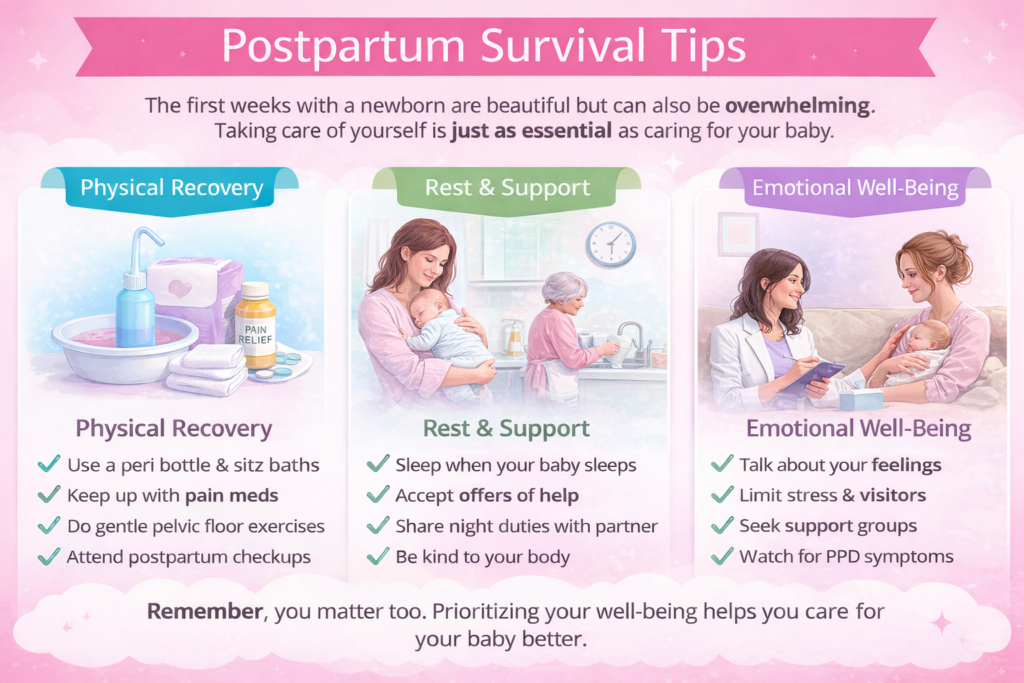
- Rest as Much as Possible: Aim for “sleep when the baby sleeps.” Enlist help from partners, family, or friends to handle household chores so you can nap. If you’ve had a C-section, avoid heavy lifting for at least six weeks.
- Manage Pain and Discomfort: Use ice packs for swelling, sitz baths for perineal healing, and over-the-counter pain relievers as recommended by your doctor. Keep an eye on postpartum bleeding (lochia); it should lighten over time. If it becomes heavy or foul-smelling, contact your healthcare provider immediately.
- Nutrition for Recovery: Eat nutrient-dense foods to support healing and energy levels. Focus on proteins (like lean meats, eggs, beans), whole grains, fruits, and veggies. Stay hydrated, aim for at least 8-10 glasses of water a day, especially if breastfeeding. Incorporate iron-rich foods (spinach, red meat) to combat anemia, and consider a postnatal vitamin if advised.
- Pelvic Floor Exercises: Start gentle Kegel exercises a few days after birth to strengthen your pelvic muscles. This can help with incontinence and overall core stability. Apps or physical therapists can guide you.
Common Postpartum Body Changes
Expect things like breast engorgement, hair loss (around 3-4 months postpartum), or night sweats due to hormonal shifts. These are normal, but if they persist or worsen, seek medical advice. Schedule your postpartum check-up around 6 weeks to discuss any concerns.
Mastering Baby Care Basics
Newborns don’t come with manuals, but with practice, you’ll become a pro. Here’s a breakdown of essential skills.
Feeding Your Baby
- Breastfeeding Essentials: If you’re nursing, ensure a good latch to prevent nipple pain, baby’s mouth should cover most of the areola. Feed on demand (every 2-3 hours). Track wet diapers (at least 6-8 per day) to ensure adequate intake. If struggling, consult a lactation consultant. Common issues like low supply can often be addressed with frequent feeding, hydration, and rest. Seeking breastfeeding advice for new moms early can prevent common issues like low milk supply and nipple pain.
- Formula Feeding: Choose an iron-fortified formula if breastfeeding isn’t an option. Sterilize bottles properly and follow mixing instructions. Burp your baby midway and after feeds to reduce spit-up.
- Introducing Solids: Wait until around 6 months, starting with single-ingredient purees like rice cereal or mashed banana. Watch for allergies and always supervise.
Sleep and Soothing Techniques
- Establishing Routines: Newborns sleep 14-17 hours a day, but in short bursts. Create a calm bedtime routine: dim lights, white noise, and swaddling. Avoid overstimulation before naps.
- Safe Sleep Practices: Always place the baby on their back in a crib with no pillows, blankets, or toys to reduce SIDS risk. Room-share for the first 6 months but not bed-share if possible.
- Soothing Crying: Use the “5 S’s” (swaddle, side/stomach position while holding, shush, swing, suck). Check for hunger, diaper changes, or discomfort first. It’s okay if you can’t always console them—sometimes they just need to cry it out a bit.
Once your baby grows into a toddler, you can build on soothing and routine strategies by exploring two positive parenting tips for toddlers (2–3 years) for age-appropriate techniques.

Diapering and Bathing
- Diaper Changes: Change frequently to prevent rashes—use barrier creams like zinc oxide. For girls, wipe front to back; for boys, point down to avoid leaks.
- Bathing: Sponge baths until the umbilical cord falls off (1-2 weeks), then 2-3 times a week with gentle soap. Keep baths short (5-10 minutes) in warm water.
Emotional and Mental Health Support
Motherhood can bring a rollercoaster of emotions. It’s normal to feel overwhelmed, but prioritizing your mental health is key.
Recognizing Postpartum Mood Changes
- Baby Blues vs. PPD: Baby blues (mood swings, tearfulness) affect most moms and resolve in 2 weeks. Postpartum depression (persistent sadness, anxiety, or hopelessness) needs professional help. Symptoms include trouble bonding, insomnia, or thoughts of harm. Don’t hesitate to reach out.
- Anxiety and OCD: New moms often worry excessively. Track your feelings and talk to a therapist if needed. Apps like Calm or Headspace can help with mindfulness.
Self-Care Strategies
- Build a Routine: Even 10 minutes a day for a walk, reading, or a hobby can recharge you. Delegate tasks; it’s not a sign of weakness.
- Intimacy and Relationships: Hormones can affect libido; communicate openly with your partner. Date nights (even at home) help maintain connection.
- Body Image: Be kind to yourself. Your body changed to create life; focus on health over aesthetics. Gentle exercise like walking can boost your mood when you’re ready.
Building Your Support Network
You don’t have to do it alone. A strong support system makes all the difference.
Family and Friends
- Ask for Help: Be specific, e.g., “Can you cook dinner twice a week?” or “Watch the baby while I shower.” Online mom groups (like on Facebook or Reddit) offer virtual support.
- Partner Involvement: Encourage dads or co-parents to bond through skin-to-skin, feeding, or playtime. Shared responsibilities prevent burnout.
Professional Resources
- Healthcare Providers: Regular check-ins with your OB-GYN, pediatrician, or midwife are essential. Vaccinate your baby on schedule and attend well-baby visits.
- Community Support: Join local parenting classes, breastfeeding support groups, or apps like Peanut for mom meetups. If finances are tight, look into government programs for essentials like diapers or formula.
- Work-Life Balance: If returning to work, plan pumping schedules or childcare. Know your rights for maternity leave and flexible hours.

Practical Tips for Daily Life
Here are some everyday hacks to make things smoother.
Organization and Gear
- Must-Have Items: Invest in a good baby carrier for hands-free time, a sound machine for sleep, and a diaper bag stocked with essentials (wipes, extra clothes, snacks for you).
- Meal Prep: Freeze meals pre-birth or use delivery services. Quick snacks like nuts or yogurt keep energy up.
- Budgeting: Track expenses, babies are costly! Buy second-hand gear where safe (avoid used car seats).
Safety First
- Home Safety: Install smoke detectors, baby gates, and outlet covers early. Learn infant CPR through classes.
- Travel Tips: For outings, pack light but include sun protection, hats, and a portable changing pad.
Long-Term Advice: Growing with Your Child
As your baby grows, so will your confidence.
Milestones and Development
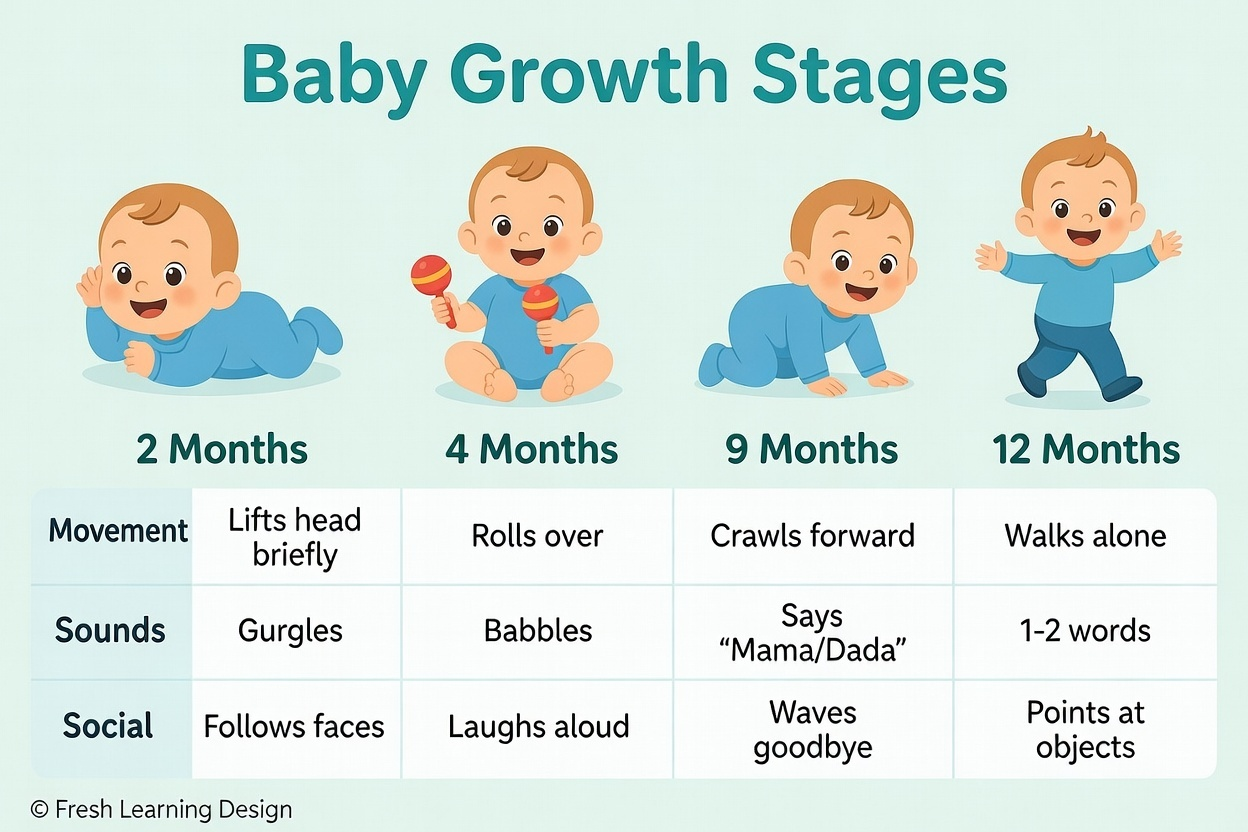
- Track Progress: From tummy time (starting day 1) to first words, celebrate small wins. Use apps like BabyCenter for reminders.
- Play and Bonding: Read books, sing songs, and engage in sensory play. This builds cognitive skills and strengthens your bond.
When to Seek Help
Always trust your instincts. Fever over 100.4°F in newborns, persistent crying, or feeding issues warrant a doctor’s call. Emergency signs like breathing difficulties require immediate attention.
As your child grows beyond the toddler years, adapting your approach with positive parenting tips for children aged 5–12 can support healthy development, learning, and emotional growth.
Frequently Asked Questions
How long does postpartum bleeding last?
Postpartum bleeding (lochia) typically lasts 4-6 weeks, starting heavy and gradually lightening. If it increases or has a foul odor, consult your doctor.
What if I'm struggling with breastfeeding?
Seek help from a lactation consultant early. Common fixes include improving the latch and frequent feeding to boost supply.
How can I tell if my baby is getting enough milk?
Look for 6-8 wet diapers daily, steady weight gain, and contentment after feeds.
When should I start exercising after birth?
Wait for your doctor’s approval, usually around 6 weeks. Start with gentle walks or pelvic floor exercises.
What are the signs of postpartum depression?
Persistent sadness, anxiety, or disinterest in your baby. Reach out to a professional if symptoms last over 2 weeks.
How much sleep do newborns need?
About 14-17 hours a day, in 2-4 hour stretches. Safe sleep on their back is crucial.
When do babies reach milestones like rolling over?
Around 4 months for rolling, but every baby is different. Track with your pediatrician.
How can partners help in the early days?
By handling chores, diapering, and giving mom breaks for rest.
Final Thoughts
New mom, give yourself grace; this is a learning curve for everyone. Motherhood evolves, and what feels overwhelming now will become second nature. Surround yourself with love, seek help when needed, and cherish the moments.
New motherhood is not about mastering everything instantly. It is about incremental learning, self-compassion, and resilience under sleep deprivation.
Your baby does not need a perfect mother.
Your baby needs a responsive, emotionally available one.
References
Mayo Clinic: Postpartum Care After Vaginal Delivery. Available at: https://www.mayoclinic.org/healthy-lifestyle/labor-and-delivery/in-depth/postpartum-care/art-20047233
American Pregnancy Association: Postpartum Recovery. Available at: https://americanpregnancy.org/healthy-pregnancy/first-year-of-life/postpartum-recovery
Mayo Clinic: Self-Care Tips for Moms. Available at: https://www.mayoclinichealthsystem.org/hometown-health/speaking-of-health/self-care-tips-for-moms
Mayo Clinic: Exercise After Pregnancy. Available at: https://www.mayoclinic.org/healthy-lifestyle/labor-and-delivery/in-depth/exercise-after-pregnancy/art-20044596
CDC: Information About Infants & Toddlers. Available at: https://www.cdc.gov/parents/infants/index.html
CDC: Infants & Toddlers Milestones & Schedules. Available at: https://www.cdc.gov/parents/infants/milestones-and-schedules.html
Public Health Agency of Canada: Your Guide to Postpartum Health and Caring for Your Baby. Available at: https://www.canada.ca/en/public-health/services/child-infant-health/postpartum-health-guide.html
Comments are closed