Key Summary
Los Angeles offers a wide network of autism services for children from infancy through adulthood. Families can start with a pediatrician, connect with a Regional Center, request school-based evaluations, explore therapy options, and build a local support network around their child's individual strengths and needs.
Table of Contents
Quick Answer
If you are looking for autism resources in Los Angeles, start with your child's pediatrician and request a developmental screening. Depending on your child's age and needs, you may also qualify for services through a Regional Center, the Early Start Program, your local school district, therapy providers, and community organizations that offer parent education and support.
If you have recently noticed developmental differences in your child, or received an autism diagnosis, you may be wondering where to turn next. Questions like who should I call first, what services are available, and how do I get help are completely normal.
The good news is that Los Angeles County offers one of the largest autism support networks in California, with services available from infancy through adulthood. Families have access to developmental evaluations, Regional Centers, early intervention programs, school-based support, therapy providers, parent organizations, financial assistance programs, and community resources designed to help children thrive.
The challenge is not that resources do not exist; it is knowing which ones are right for your family and how to access them.
This guide brings together trusted autism resources available to Los Angeles parents while also explaining what each service does, who qualifies, and what steps to take next. Whether you are concerned about early signs, waiting for an evaluation, or looking for ongoing support after a diagnosis, this article will help you navigate the process with confidence.
Key Takeaways
Before exploring the available resources, here are the most important things to know.
- Los Angeles offers a wide network of autism services for children from infancy through adulthood.
- You do not need to wait until your child starts school to seek help.
- Regional Centers are often the first stop for families seeking developmental services.
- Public schools can evaluate children for educational support, even if they do not yet have a medical diagnosis.
- Every child has different strengths and needs, so services should be tailored to the individual, not a diagnosis alone.
- The earlier families seek support, the more opportunities children have to develop important communication, learning, and social skills.
Expert Reviewed
Reviewed by Joseline Martinez, Child Development Writer and Family Education Advocate.
Joseline Martinez specializes in developmental milestones, play-based learning, and social-emotional growth. She creates accessible, family-friendly guidance that helps parents understand support systems and make informed decisions for children with diverse learning needs.
This guide has been reviewed to ensure the information reflects practical, family-centered guidance and current early childhood best practices.

How This Guide Was Created
This guide was developed using publicly available information from California developmental service agencies, Los Angeles County programs, educational resources, and established early childhood best practices. It has also been reviewed by a child development writer to keep the information practical, accurate, and easy for families to understand.
Because eligibility requirements, referral processes, and available services may change, parents should always confirm current information directly with the relevant organization before applying.
Top Autism Resources for Los Angeles Parents
If you are short on time, start here. The organizations below provide some of the most valuable autism-related services for families across Los Angeles County.
Parent tip: You do not have to contact every organization at once. Start with your pediatrician or your local Regional Center. They can help you determine which services are most appropriate based on your child's age and developmental needs.
| Resource | How It Helps | Official Website |
|---|---|---|
| Eastern Los Angeles Regional Center | Early intervention, case management, developmental services | https://www.elarc.org |
| Frank D. Lanterman Regional Center | Regional Center services for Pasadena, Glendale, and nearby areas | https://www.lanterman.org |
| Harbor Regional Center | Developmental services for South Bay and Long Beach | https://www.harborrc.org |
| North Los Angeles County Regional Center | Autism support, Early Start, adult services | https://www.nlacrc.org |
| San Gabriel/Pomona Regional Center | Evaluations, therapy referrals, family support | https://www.sgprc.org |
| South Central Los Angeles Regional Center | Developmental disability services | https://www.sclarc.org |
| Westside Regional Center | Early intervention and lifelong developmental support | https://www.westsiderc.org |
| Children's Hospital Los Angeles - Boone Fetter Clinic | Autism evaluations and developmental pediatrics | https://www.chla.org/autism |
Where Should Parents Start?
One of the biggest questions families ask is: there are so many autism resources, where do I begin?
The process can feel overwhelming, but it becomes much more manageable when you take it one step at a time.
Step 1: Talk to Your Pediatrician
Share any developmental concerns you have noticed, such as delayed speech, limited eye contact, repetitive behaviors, or difficulty interacting with others. Your pediatrician can perform a developmental screening and recommend the next steps.
Step 2: Request a Developmental Evaluation
If additional assessment is recommended, your child may be referred to specialists who can evaluate communication, learning, behavior, and overall development.
Step 3: Contact Your Local Regional Center
Regional Centers help eligible families access developmental evaluations, Early Start services, family support, and referrals to therapy providers.
Step 4: Explore Educational Services
If your child is preschool age or older, contact your local school district to learn about educational evaluations and support services that may be available.
Step 5: Build Your Support Network
Connecting with therapists, educators, healthcare providers, and parent support groups can help you better understand your child's strengths and create a plan that meets your family's needs.

Understanding Autism
Before exploring evaluations and support services, it helps to understand what autism is and what it is not.
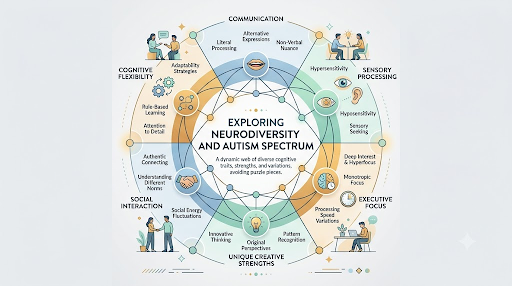
Autism Spectrum Disorder (ASD) is a neurodevelopmental condition that affects how a person communicates, interacts with others, learns, and experiences the world. It is called a spectrum because every autistic person is unique. Some children may need significant daily support, while others may require minimal assistance and thrive independently.
Autism is not an illness or something that needs to be fixed. Instead, it is a different way of thinking, learning, communicating, and processing information. Many autistic individuals have remarkable strengths in areas such as memory, creativity, attention to detail, problem-solving, music, art, or technology.
Receiving an autism diagnosis does not define your child's future. It simply helps families understand their child's needs so they can access the right support, educational opportunities, and services at the right time.
Remember: Every child develops differently. The goal is not to compare your child to others; it is to understand how they learn best and ensure they receive the support they need to reach their full potential.
Early Signs of Autism Parents Should Watch For
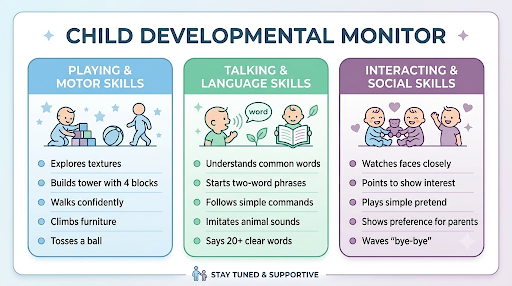
Every child develops at their own pace, and it is normal for milestones to vary. However, if you consistently notice differences in communication, social interaction, or behavior, it may be worth discussing them with your child's pediatrician.
The following signs do not automatically mean a child has autism, but they may indicate that a developmental evaluation would be beneficial.
Communication Differences
- Speaking later than expected.
- Responding inconsistently when their name is called.
- Having difficulty expressing needs.
- Repeating words or phrases, known as echolalia.
- Using fewer gestures, such as pointing or waving.
Social Interaction Differences
- Making limited eye contact.
- Preferring to play alone most of the time.
- Having difficulty engaging in pretend play.
- Not consistently sharing interests or experiences with others.
- Finding it challenging to understand facial expressions or emotions.
Behavioral and Sensory Differences
- Repeating certain movements, such as rocking or hand flapping.
- Becoming upset by changes in routine.
- Developing intense interests in specific topics or objects.
- Being highly sensitive, or less sensitive, to sounds, lights, textures, or smells.
- Seeking repetitive sensory experiences, such as spinning or lining up toys.
Not every child with autism displays all of these behaviors, and many children without autism may show some of them occasionally. A developmental evaluation considers your child's overall pattern of development rather than one specific behavior.
When Should You Seek an Evaluation?
Many parents wonder whether they should wait and see or seek professional advice immediately.
If you have ongoing concerns about your child's communication, social interaction, learning, or behavior, it is best to discuss them with your pediatrician rather than waiting several months to see if they improve on their own.
Seeking an evaluation does not mean your child will receive an autism diagnosis. It simply provides more information about your child's development and helps identify whether additional support would be beneficial.
Parent tip: Trust your instincts. You know your child better than anyone else. If something does not feel right, asking questions early can provide reassurance or help your child access valuable support sooner.
Why Early Intervention Matters
One of the biggest reasons professionals encourage early evaluations is that young children's brains develop rapidly during the first few years of life. This period provides many opportunities to strengthen communication, social skills, learning, and independence through targeted support.
Early intervention is not about changing who your child is. It is about helping them build skills, reduce frustration, and participate more confidently in everyday activities at home, school, and in the community.
- Language and communication
- Social interaction
- Emotional regulation
- Play skills
- Problem-solving
- Daily living skills
- Independence
Regional Centers in Los Angeles County
One of California's most valuable resources for families is the Regional Center system. These nonprofit organizations work with eligible individuals with developmental disabilities and their families by coordinating services, providing guidance, and connecting them with community resources.
For many Los Angeles parents, a Regional Center becomes the first place they contact after developmental concerns arise.
- Developmental evaluations
- Early Start services
- Individual service planning
- Parent education
- Therapy referrals
- Service coordination
- Transition planning
- Family support resources
| Regional Center | Primary Service Area |
|---|---|
| Eastern Los Angeles Regional Center | East Los Angeles communities |
| Frank D. Lanterman Regional Center | Pasadena, Glendale, and surrounding areas |
| Harbor Regional Center | Torrance, Long Beach, and South Bay |
| North Los Angeles County Regional Center | San Fernando, Santa Clarita, and nearby communities |
| San Gabriel/Pomona Regional Center | San Gabriel Valley and Pomona areas |
| South Central Los Angeles Regional Center | South Los Angeles communities |
| Westside Regional Center | West Los Angeles and surrounding neighborhoods |
Good to know: If you are unsure which Regional Center serves your address, a quick phone call to any Regional Center or your pediatrician's office can help direct you to the correct location.
Early Start Program (Birth to Age 3)
If your child is under three years old, one of the most important services available is California's Early Start Program.
Early Start is designed for infants and toddlers with developmental delays or disabilities, including children who may be showing early signs of autism.
Rather than focusing only on clinic visits, Early Start encourages parents to become active participants in their child's development. Therapists often demonstrate strategies that families can use during meals, playtime, reading, and everyday routines, helping children practice new skills in familiar environments.
- Speech and language therapy
- Occupational therapy
- Physical therapy
- Developmental intervention
- Family education and coaching
- Individualized support planning
Expert insight: Research consistently shows that early support can make a meaningful difference in a child's development. Starting services early does not guarantee specific outcomes, but it gives children more opportunities to build communication, learning, and social skills during a period of rapid brain development.
School-Based Support for Children with Autism
As children approach preschool or kindergarten, schools become an important part of their support system. Many parents mistakenly believe they must obtain a medical autism diagnosis before requesting educational services. In California, that is not always the case.
If you suspect your child has developmental challenges that affect learning, communication, or social interaction, you can request an educational evaluation through your local school district. The purpose of this evaluation is to determine whether your child qualifies for special education services under state and federal education laws.
School support is designed to remove barriers to learning and provide children with the accommodations and services they need to succeed in the classroom.
What Is an Individualized Education Program (IEP)?
If your child qualifies for special education services, the school will work with you to develop an Individualized Education Program (IEP).
An IEP is a personalized educational plan created collaboratively by a team that typically includes parents, teachers, special education professionals, therapists, and school psychologists.
Parents are equal members of the IEP team. Your input about your child's strengths, interests, and daily experiences plays an important role in creating an effective plan.
- Your child's current strengths and challenges
- Learning goals
- Services the school will provide
- Classroom accommodations
- Progress monitoring
- How often services will be reviewed
Services That May Be Included in an IEP
Every child has different needs, so services vary from one student to another.
| Service | Purpose |
|---|---|
| Speech and Language Therapy | Improve communication and language development |
| Occupational Therapy | Develop fine motor, sensory, and daily living skills |
| Behavioral Support | Improve classroom participation and adaptive behaviors |
| Social Skills Instruction | Build friendships and communication with peers |
| Specialized Academic Instruction | Individualized teaching strategies |
| Assistive Technology | Communication devices or learning supports when appropriate |
The goal is not simply to help children perform better academically. It is to ensure they can participate confidently in everyday school life.
Parent tip: Before every IEP meeting, write down your questions, concerns, and goals for your child. Bringing notes helps ensure every important topic is discussed.
Therapy Options for Children with Autism
Therapy is not about changing who a child is. It is about helping them build the skills they need to communicate, learn, become more independent, and participate comfortably in everyday life.
Not every child needs every therapy. A comprehensive evaluation helps determine which services best match your child's strengths and developmental goals.
Speech and Language Therapy
Speech therapy supports far more than talking. It helps children communicate effectively, whether through spoken language, gestures, pictures, or assistive communication devices.
- Understanding language
- Expressing thoughts and feelings
- Conversation skills
- Social communication
- Pronunciation and speech clarity
- Alternative communication methods when needed
Occupational Therapy (OT)
Occupational therapy helps children participate more independently in everyday activities at home, school, and in the community.
- Fine motor development
- Hand-eye coordination
- Dressing and self-care skills
- Feeding challenges
- Sensory regulation
- Attention during classroom activities
Behavioral Therapy
Behavioral therapy focuses on teaching practical life skills while helping children navigate everyday situations more successfully.
- Communication
- Daily routines
- Learning new skills
- Emotional regulation
- Self-help skills
- Flexible thinking
- Positive behavior strategies
Social Skills Programs
Some children benefit from structured opportunities to practice interacting with peers in a supportive environment.
- Start conversations
- Share and take turns
- Understand emotions
- Build friendships
- Solve conflicts respectfully
- Participate in group activities
Parent Coaching and Family Training
Parents are their child's first and most important teachers. Many early intervention and therapy programs include parent coaching because children spend far more time at home than they do in therapy sessions.
- Encouraging communication during daily routines
- Managing transitions
- Supporting emotional regulation
- Building independence
- Reinforcing skills learned during therapy
- Creating positive learning opportunities through play
Parent Support Groups in Los Angeles
Receiving an autism diagnosis can feel isolating at first, but thousands of families across Los Angeles are navigating similar experiences. Connecting with other parents can encourage, provide practical advice, and offer reassurance during every stage of the journey.
Parent support groups offer more than emotional support. They are also an excellent way to learn about local resources, educational workshops, advocacy opportunities, and community events.
- Share experiences with other parents
- Learn practical strategies for everyday challenges
- Understand educational rights and available services
- Discover local therapists and community programs
- Reduce feelings of isolation
- Celebrate milestones together

Los Angeles Organizations That Support Families
The following organizations are widely recognized for supporting children with autism and their families throughout Los Angeles County.
| Organization | Services Available | Best For |
|---|---|---|
| Autism Society of Los Angeles | Parent education, advocacy, support groups, community events | Families seeking guidance and peer support |
| Help Me Grow LA | Developmental screenings, referrals, family navigation | Parents concerned about developmental milestones |
| Regional Centers | Service coordination, evaluations, Early Start, referrals | Eligible children with developmental disabilities |
| Children's Hospital Los Angeles | Developmental evaluations and specialty care | Medical and developmental assessments |
| Local Family Resource Centers | Workshops, parent education, community connections | Families looking for ongoing support |
Did you know? Many parent organizations provide resources in multiple languages and offer workshops specifically designed for newly diagnosed families, helping parents better understand autism, therapy options, and educational services.
Financial Assistance and Insurance Resources
One of the biggest concerns families have after a diagnosis is the cost of services. While autism-related support can involve multiple providers, several public and private programs may help reduce financial barriers.
Coverage varies depending on eligibility requirements, insurance policies, and the specific services being recommended. Contacting your insurance provider and Regional Center early can help you understand which services are available and what documentation may be required.
- California Regional Centers
- Early Start Program
- Public school special education services
- Medi-Cal for eligible families
- Private health insurance
- Community nonprofit organizations
- Family assistance grants and scholarships
Common Mistakes Parents Make After Receiving a Diagnosis
Receiving an autism diagnosis often brings a flood of information. While every family's journey is different, avoiding a few common mistakes can make the process less overwhelming.
Waiting Too Long to Request Services
Some families delay evaluations or therapy because they hope developmental differences will improve on their own. Seeking support early gives children more opportunities to benefit from intervention during important stages of development.
Trying to Do Everything at Once
It is natural to want to explore every available service immediately. However, focusing on the highest-priority needs first often makes the process more manageable for both parents and children.
Not Asking Questions
Whether you are meeting with doctors, therapists, or educators, do not hesitate to ask for clarification. Understanding your child's services helps you make informed decisions and advocate confidently.
Forgetting to Celebrate Progress
Progress does not always happen in large milestones. Small improvements in communication, independence, or confidence are meaningful achievements worth recognizing.
Myths vs. Facts About Autism
There are many misconceptions about autism that can make the journey even more confusing for families. Understanding the facts can help parents make informed decisions and advocate confidently for their children.
| Myth | Fact |
|---|---|
| Autism is caused by poor parenting. | No. Autism is a neurodevelopmental condition. Parenting does not cause autism. |
| Children with autism do not want friends. | Many autistic children enjoy friendships but may communicate or interact differently. |
| Every autistic child behaves the same way. | Autism is a spectrum, meaning every child has unique strengths, challenges, and support needs. |
| A child must speak late to have autism. | Some autistic children develop speech on time, while others experience delays. Communication differences vary widely. |
| Waiting will always solve developmental concerns. | While children develop at different rates, persistent concerns should be evaluated early so families can access support if needed. |
| Autism limits a child's future. | With appropriate support, education, and opportunities, autistic individuals can develop meaningful relationships, pursue higher education, build careers, and live fulfilling lives. |
Expert tip: Focus on understanding your child's individual strengths and support needs rather than comparing them to developmental checklists or other children.
Questions to Ask After Your Child's Evaluation or Diagnosis
Whether your child has received a diagnosis or is still going through the evaluation process, asking thoughtful questions can help you better understand the recommendations and available services.
About the Evaluation
- What strengths did you observe in my child?
- Which developmental areas need the most support?
- Does my child meet the criteria for autism or are additional evaluations recommended?
- Are there other developmental concerns we should monitor?
About Services
- Which therapies are most appropriate for my child's needs?
- How often should therapy sessions take place?
- Does my child qualify for Early Start or Regional Center services?
- Should I request a school evaluation?
About Daily Life
- What activities can we do at home to encourage communication and learning?
- How can we support social interaction with siblings and peers?
- What should we expect over the next six to twelve months?
- How will we know whether the current support plan is working?
Keeping these questions in a notebook or digital document can make appointments more productive and help you keep track of recommendations over time.
Autism Resources Checklist for Los Angeles Parents
If you are feeling overwhelmed, do not worry. You do not have to do everything at once. Use this checklist as a simple roadmap.
First Steps
- Schedule an appointment with your child's pediatrician.
- Share your developmental concerns and request a screening.
- Keep notes about behaviors you have observed.
- Gather developmental and medical records.
Evaluation
- Complete any recommended developmental evaluations.
- Ask questions about the results.
- Request copies of all reports for your records.
Local Services
- Contact your Regional Center.
- Learn whether your child qualifies for Early Start or other programs.
- Explore therapy options based on professional recommendations.
- Connect with your local school district if your child is preschool age or older.
Ongoing Support
- Join a parent support group.
- Learn about your educational rights.
- Stay organized by keeping evaluations, therapy reports, and school documents together.
- Celebrate your child's progress, no matter how small.
Discover
Frequently Asked Questions
How do I know which autism resource I should contact first?
If you are concerned about your child's development, begin with your pediatrician. From there, they may recommend a developmental evaluation and refer you to your local Regional Center, Early Start Program, or other specialists based on your child's age and needs.
Are autism services in Los Angeles free?
Some services are available at no cost for eligible families, including certain Regional Center programs, Early Start services, and public school special education supports. Other services may be covered through private insurance or Medi-Cal, depending on eligibility and your health plan.
Can my child receive multiple services at the same time?
Yes. Many children benefit from a combination of educational support, speech therapy, occupational therapy, behavioral services, and family coaching. Services are typically coordinated based on each child's individual needs.
What if my child does not receive an autism diagnosis?
A developmental evaluation may identify other areas where support could be helpful, such as speech delays, developmental delays, or learning differences. Receiving support early can still benefit your child's development, even if autism is not diagnosed.
How long does the evaluation process usually take?
The timeline varies depending on the provider, availability of appointments, and the types of assessments recommended. If you are facing long wait times, ask your pediatrician or Regional Center whether there are other qualified providers in your area.
Can my child attend preschool or kindergarten after an autism diagnosis?
Absolutely. Many autistic children attend preschool and public schools with appropriate educational supports. Depending on their needs, they may receive accommodations or services through an Individualized Education Program (IEP) or other school-based supports.
How can I support my child while waiting for services?
Reading together, encouraging play, creating predictable routines, responding to communication attempts, and engaging in everyday conversations can all support your child's development. You can also ask your healthcare provider about activities that match your child's individual needs.
Will my child always need autism services?
Every child's journey is different. Some children need ongoing support, while others become increasingly independent over time. Services should be reviewed regularly and adjusted based on your child's progress, strengths, and goals.
Final Thoughts
Finding the right autism resources can feel overwhelming at first, especially when you are balancing appointments, evaluations, and everyday family life. The important thing to remember is that you do not have to navigate this journey on your own.
Los Angeles is home to a broad network of healthcare providers, Regional Centers, educators, therapists, and community organizations dedicated to supporting children with autism and their families. By reaching out early, asking questions, and connecting with trusted professionals, you can build a support system that helps your child continue learning, growing, and reaching meaningful milestones.
Progress does not happen overnight, and every child's path will look different. Some children make rapid gains in communication, while others progress steadily in social interaction, emotional regulation, or independence. Every achievement, whether it is saying a new word, making a friend, or mastering a daily routine, is worth celebrating.
Most importantly, remember that an autism diagnosis does not define your child's future. With understanding, patience, individualized support, and a strong partnership between families and professionals, children with autism can continue to develop their strengths, explore their interests, and thrive in school, at home, and within their communities.
For related guidance, explore toys that support sensory and developmental needs, safe chewing/sensory tools, and understanding autism levels.
References
- California Department of Developmental Services: https://www.dds.ca.gov/
- Help Me Grow LA: http://publichealth.lacounty.gov/mch/helpmegrow/
- Los Angeles Unified School District: https://www.lausd.org/
- Autism Society of Los Angeles: https://www.autismla.org/