
Key Summary
Getting kids to eat healthy can feel like a mix of small victories and big battles. Between picky eaters and busy schedules, it's no surprise that parents often wonder, "How do I make this easier?" The good news? Helping children develop healthy eating habits doesn't have to be a struggle—it can even be fun!
Table of Contents
Getting kids to eat healthy can feel like a mix of small victories and big battles. Between picky eaters and busy schedules, it's no surprise that parents often wonder, "How do I make this easier?" The good news? Helping children develop healthy eating habits doesn't have to be a struggle—it can even be fun!
In this blog, we'll share practical strategies to support healthy eating for children. From creating a positive environment to involving kids in food choices, we'll explore simple ways to inspire them to enjoy nutritious meals and build habits that stick for life. At Our Little Munchkins Daycare, we've seen how small changes can lead to big results when it comes to kids and healthy eating.
1. Get Children Involved in Meal Preparation
Involving children in meal planning, grocery shopping, and cooking helps them feel more invested in their food choices and fosters healthy eating habits. Simple tasks like washing vegetables, stirring ingredients, or assembling meals make mealtime fun while teaching valuable cooking skills. Encouraging them to try new foods during these activities can spark curiosity about different flavors and textures, creating positive associations with healthy eating.
2. The Influence of Peers in Trying New Foods
Children are often influenced by their peers, especially when it comes to food choices. If a child sees their friend enjoying a new food, they may be more inclined to try it themselves. Having a friend who enjoys a wide range of foods can make a picky eater feel more comfortable trying new things. However, it's essential to avoid pressuring children or comparing their eating habits. Encourage a relaxed atmosphere where they can learn from their peers without feeling stressed or judged.
3. Repeated Exposure to New Foods
For picky eaters, trying a new food can seem daunting. It's important not to give up after one rejection. Research shows that repeated exposure to a food increases the chances that a child will eventually accept it. Gradually introduce small portions of a previously rejected food over time in a relaxed, no-pressure environment. You might even try "food chaining," where a new food is introduced alongside something the child already likes. For example, if a child enjoys applesauce, offer small pieces of fresh apple to help them become accustomed to the taste and texture of the whole fruit.
Involving children in food exploration through role modeling can encourage them to try new foods, especially when they see others enjoying them. A child may initially resist a food but, seeing peers or adults enjoying it, they may feel encouraged to try it themselves. Combining new foods with familiar favorites—like pairing celery with peanut butter—can also make them more appealing. Keep in mind, offering one meal for everyone and avoiding special orders encourages children to embrace the meal at hand, fostering healthy eating habits and reducing picky eating tendencies.
4. Patience and Realistic Expectations
When encouraging picky eaters, it's essential to be patient and set realistic expectations. Every child is different, and some may take longer to warm up to certain foods. Creating a positive, stress-free mealtime environment free of rewards or punishments is key to helping children gradually expand their food preferences. While progress may take time, consistency, patience, and encouragement will lead to long-term success.
5. Establishing a Positive Mealtime Environment
Creating a culture of healthy eating starts by establishing mealtime habits that children can carry with them for years to come. Daycare providers play a crucial role in modeling healthy eating behaviors and fostering a stress-free mealtime environment.
Role Modeling Healthy Eating Habits
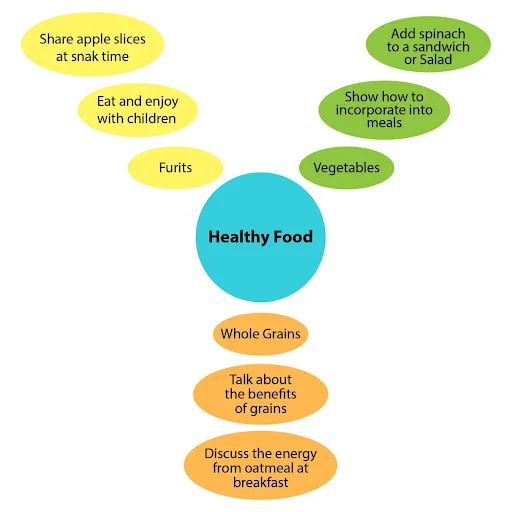
Children are more likely to adopt healthy eating habits if they see adults enjoying nutritious foods. Daycare providers should lead by example, eating fruits, vegetables, and other healthy foods in front of the children. Sharing meals as a group and enjoying healthy dishes together can encourage kids to follow suit.
Avoiding the Use of Unhealthy Incentives
Using unhealthy foods as a reward for eating can backfire in the long run. Offering sugary treats as a reward for eating vegetables or fruits can lead children to develop an unhealthy preference for sweets. Instead, provide non-food incentives for good behavior and offer praise when children try new foods. The goal is to foster a healthy relationship with food and to encourage children to enjoy eating healthy options on their own.
Making Healthy Foods Fun
Children are more likely to try new foods if they are presented in an appealing way. Consider arranging foods into fun shapes, creating colorful salads, or incorporating familiar foods in creative ways. Pairing new foods with favorites, like offering a new vegetable with a favorite dip or blending fruits into a smoothie, can make new dishes feel less intimidating and more enjoyable.
6. Involving Families in Healthy Eating
Family engagement is crucial in promoting healthy eating habits, both at home and in daycare. When families and daycare providers work together, children benefit from consistent messages about healthy eating.
Collaboration Between Daycare and Families
By working together with families, daycare providers can create a unified approach to mealtimes both at daycare and at home. Providers can discuss children's food preferences with parents and suggest new foods to try. Including parents in the meal planning process ensures that healthy habits are reinforced at home.
Addressing Picky Eating Early
Early intervention is key to helping picky eaters broaden their food preferences. The sooner children are exposed to a variety of foods and positive mealtime behaviors, the easier it will be for them to develop a diverse palate. Both parents and daycare providers should collaborate to introduce new foods in ways that are fun and low-pressure.
Consistent Communication with Families
Ongoing communication between daycare providers and parents is essential for reinforcing healthy eating habits. Providers can share updates about the child's eating habits and offer tips for preparing healthy meals at home. Consistency in messaging helps children feel supported and encourages them to try new foods both in daycare and at home.
8. Adhering to Nutrition Standards
To ensure children's health and well-being, daycare centers should follow national nutrition standards and participate in programs like the Child and Adult Care Food Program (CACFP). These programs offer guidelines and funding to support nutritious meals in daycare settings.
Discover
Frequently Asked Questions
How Can I Encourage My Child To Try New Foods?
Involve them in meal preparation and make food exploration fun. Offer new foods alongside familiar favorites, and avoid pressuring them. Repeated exposure in a stress-free environment can help.
What Should I Do If My Child Is A Picky Eater?
Patience is key. Gradually introduce new foods, use "food chaining" strategies, and create a relaxed mealtime atmosphere. Collaborate with your daycare provider for consistency between home and daycare.
Are Rewards Effective For Getting Children To Eat Healthy?
Avoid using sugary treats as rewards, as this can lead to unhealthy food preferences. Instead, offer praise or non-food incentives to build positive associations with healthy eating.
How Can Families Support Healthy Eating Habits At Home?
Maintain consistent messaging about nutrition, involve children in meal planning, and serve balanced meals. Communication with your daycare provider can help reinforce these habits.
What Are The Best Drink Options For Children?
Water and milk are the healthiest choices. Avoid sugary beverages to reduce the risk of obesity and other health issues while encouraging better hydration habits.
Final Thoughts
Promoting healthy eating habits in children is essential for their overall growth and development. Daycare providers play a key role in establishing a positive, stress-free mealtime environment that encourages children to explore new foods and adopt healthy habits. By involving children in meal preparation, offering repeated exposure to healthy foods, and collaborating with families, providers can help children develop a lifelong appreciation for nutritious foods. A consistent, thoughtful approach to mealtime ensures that children not only enjoy eating healthy but also understand the importance of good nutrition for their well-being.
For related guidance, explore toddler lunch box ideas.
References
- https://www.whizkidz.com.au
- https://www.welljourn.org
- https://mybrightwheel.com